 AIFeed
5 Whoop alternatives worth considering for health & fitness tracking
If the ongoing Whoop subscription scares you off, you have other options for tracking fitness data.
We may receive a commission on purchases made from links.
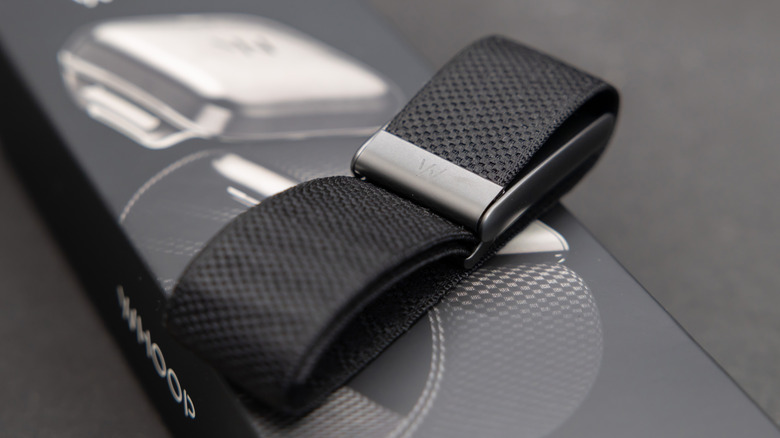
Whoop has caught on for being different from most other fitness wearables: it still tracks important health metrics, but it stands out from its lack of screen. That's one less device to distract you all day, while the unassuming design also blends in with various outfits. There's even a Whoop social network now, if that's something you're interested in.
However, Whoop's pricing scheme can be hard to swallow. The tracker is only available with a membership, which ranges from $199 to $359/year. If you cancel your membership, the tracker stops working; you don't own the device to use it as you wish. And since you can't use monthly billing for your first year, it's more of a commitment.
If you're looking for Whoop-like benefits without these caveats, you have alternatives. Though there are a few compromises in places, we've picked out several fitness trackers with many of the same features Whoop offers.
1. Xiaomi Smart Band 9
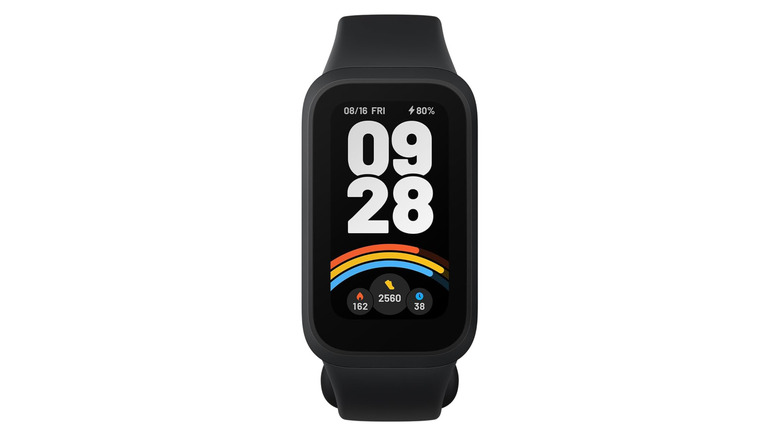
- Tracks: Heart rate, sleep, stress, blood oxygen, women's health
- Battery life: 18 days
- Price: $35.99
If you've never worn a fitness tracker before, the Xiaomi Smart Band 9 is an excellent entry point because its features punch well above its weight considering the price. It tracks the core health metrics most people will care about and offers replaceable bands for customization.
What's perhaps most impressive is the device's battery life. You can expect up to three weeks of typical use before it needs to recharge, which beats the Whoop's battery life quite a bit. It's not as low-profile as the Whoop, and there's still a screen to contend with. However, the display is crisp, and it offers more than 100 watch faces to choose from.
You're able to track data in more than 50 sport modes, so it's a good fit no matter how you prefer to work out. While we missed the absence of a physical navigation button when we picked it as one of the best budget sleep bands, the Smart Band 9 is still comfortable enough to wear to sleep. Note that some of its specs, including battery life and number of included modes, differ in the global version.
2. Google Fitbit Air
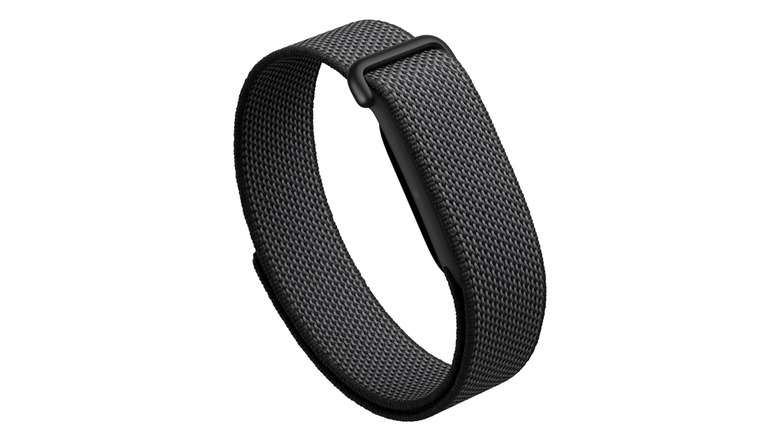
- Tracks: Heart rate, sleep, stress, blood oxygen saturation, women's health
- Battery life: 7 days
Like the Whoop, the Google Fitbit Air doesn't have a distracting screen. It's also low-profile and comfortable, to the point that you may forget you're wearing it. The solid battery life means you can wear it for a week (on average) before needing to plug it in, and with its fast charging, you can get a day's worth of juice in just five minutes.
If you're looking for a fitness tracker and nothing else, it's a close alternative to Whoop that doesn't require a forever subscription. While it doesn't have full blood oxygen monitoring capabilities, it does track your blood oxygen saturation while you sleep. That's lacking even in some premium budget offerings like the Apple Watch SE.
To unlock the most impressive features (like the personalized fitness plan), you need to subscribe to Google Health Premium. This AI-powered wellness coaching costs $9.99 per month or $99.99 per year, which is far more affordable than Whoop's most modest plan. However, during our Fitbit Air review, the AI features were occasionally glitchy. Even if you're not into the idea of an AI personal coach, the Fitbit Air still tracks plenty of useful metrics without having to spend additional money on a subscription.
In fact, when we stacked the Fitbit Air up against Whoop, we found that for most people, Google's device is a smarter buy overall.
3. Apple Watch SE 3
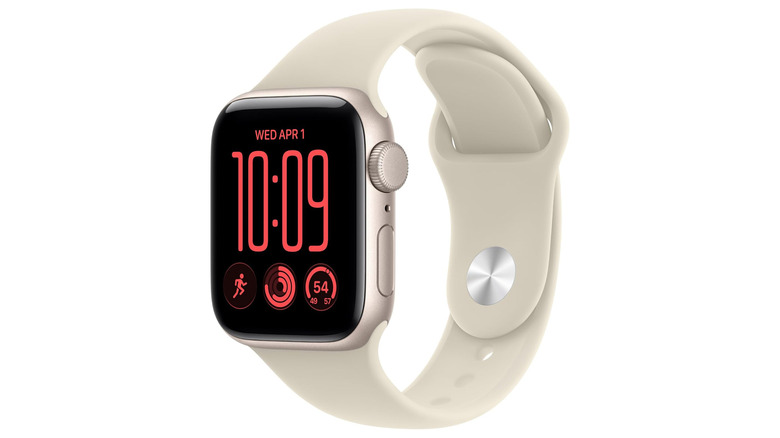
- Tracks: Heart rate, sleep, stress, women's health
- Battery life: 18 hours
For those in the Apple ecosystem who don't have a smartwatch, the Apple Watch is always tempting, even if you're allergic to calorie counting and sit-ups. In addition to its many fitness-tracking features, it syncs with your iPhone to do everything from placing an Instacart order to listening to your favorite podcast, all from your wrist. It drifts far from Whoop's screenless design, which could be a positive depending on what you're looking for.
One of Whoop's standout features is its guidance system, which gathers all your health metrics and makes a wellness plan for you like a personal coach would. The Apple Watch SE 3 has something similar, powered by Siri AI. Siri will answer quick health questions, summarize complicated data and even keep you on track to accomplish your fitness goals.
This comes at a cost, however. While Siri can always accomplish simple tasks like setting timers or doing math, more complicated queries have daily usage caps. If you need to upgrade, extended Siri usage is tied to iCloud+ subscriptions — you'll need at least the $2.99/month 200GB plan for more Siri credits. If you put the AI to good use, this is still a far better value than Whoop's least expensive membership plan ($199 per year).
However, the major downside is its battery life, which Apple rates at 18 hours. There's a compromise there, considering Apple Watches are much more than just fitness trackers. As someone who's only been wearing one for a couple of months, it's already one of the devices I can't live without.
The price exceeds one year of Whoop's two cheaper plans, but you own your Apple Watch without signing up for an ongoing subscription. Our Apple Watch SE 3 review found that it's a great wearable entry point for any Apple fan on a budget. If you want to go further, Apple Fitness+ is an optional subscription that adds personalized workout plans and guided exercise videos from professional trainers.
4. Garmin vivosmart 5
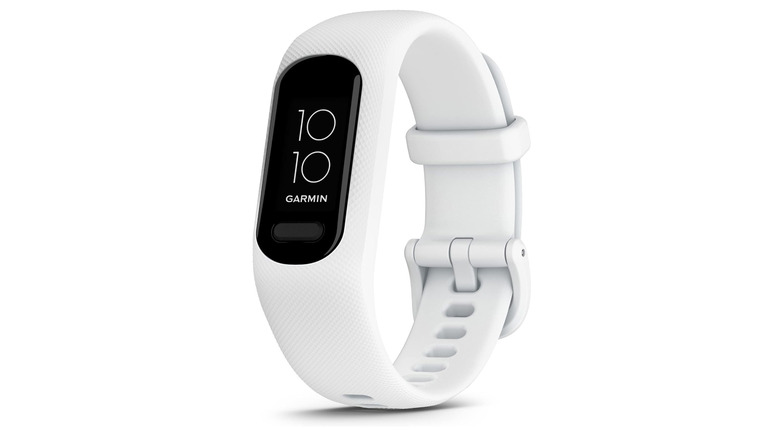
- Tracks: Heart rate, sleep, stress, blood oxygen, women's health
- Battery life: 7 days
- Price: $149.99
This Whoop alternative is a happy medium between wearables with large screens and those that lack one entirely. The screen is barely there, so it won't be nearly as attention-grabbing as what you'd find on an Apple Watch.
How distracting you make the Garmin vivosmart 5 is wholly up to you. Like an Apple Watch, you can sync it to your smartphone to receive alerts like emails and texts. If you have an Android device, you can use the tracker to respond to texts too. Strangely enough, despite this being a Garmin device, there are no built-in GPS features to speak of. That was enough to ding it in our best fitness trackers of 2026 roundup. Like every other fitness tracker, to take full advantage of the device, you'll need to install its companion app: Garmin Connect.
The vivosmart comes with many free features, but the flashier ones are behind a $6.99/month or $69.99/year Garmin Connect+ subscription. In our testing, the mobile app was less user-friendly compared to alternatives. It will sync with Apple Health, though Connect is the intended experience. It's a fairly well-rounded device, and there are plenty of customization options to fit your current fitness goals and lifestyle.
5. Google Fitbit Charge 6
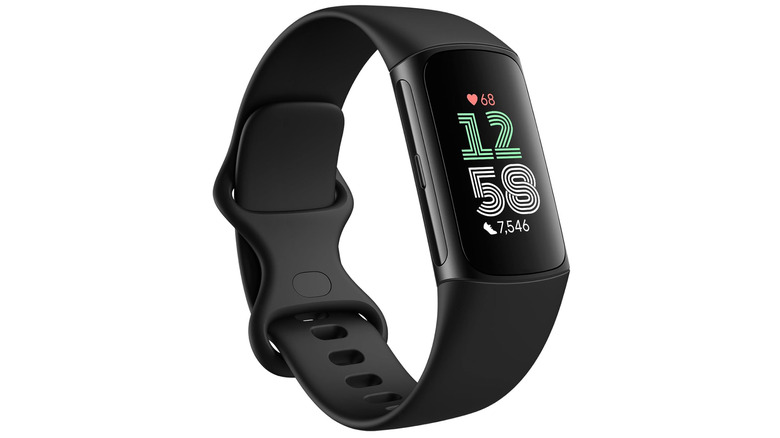
- Tracks: Heart rate, sleep, stress, blood oxygen saturation, women's health
- Battery life: 7 days
- Price: $159.95
While there are more affordable fitness trackers (and lower-cost Fitbit models), there's still a lot of value packed into the Google Fitbit Charge 6. It's a good option for those who have outgrown simpler devices but are still wary of Whoop's subscription model. Unlike the Whoop and the lighter Fitbit Air, this one does feature a screen. But since it clocks in at just a little over an inch, it won't be nearly as distracting as a dedicated smartwatch.
Like Whoop, the Fitbit Charge 6 has the ability to communicate with popular smart home gyms like Peloton and NordicTrack, making it easier to keep track of your heart rate in real time. The same Google Health Premium subscription option is here, like with the Fitbit Air, though it does come with three months free so you can test how many of the extra features you'll actually use.
Despite the paywall, the Google Fitbit Charge 6 was our pick for 2026's best fitness tracker, thanks to its long battery, excellent heart rate monitor and built-in GPS.