 AIFeed
Some follow-up thoughts on where AI-enabled computational biotech is going, how to stay ahead of it and a possible mini research proposal.*
Introduction
The general question I'm asking throughout this essay is as follows:
- How to deal with infohazards while studying computationally generated (hazardous) sequences and can this be sufficiently proxied by looking at benign sequences?
The general goal of this would be to come up with a framework for tracking whether it is possible to use benign proxies to study viable harmful sequences: e.g. can we generate computational harmful sequences that are equivalently functional to their known proxies and can evade screening (as functional screening is only starting to mature)?
For benign proxies to be sufficient, I argue that two things need to be true and expand on them below:
- P1: in vitro viable generated sequences are a subset of high-TM/high-pLDDT generated sequences
- P2: computationally generated benign and hazardous sequences are drawn from the same distribution
The experimental landscape
I start from the assumption that in vitro experiments for computationally generated hazardous sequences are simultaneously
->the ideal experiment for gauging potential harm->completely off the table for most institutes that are doing AIxBio/Biosecurity work for both safety and cost reasons
This makes the experimental landscape look a little something like this:
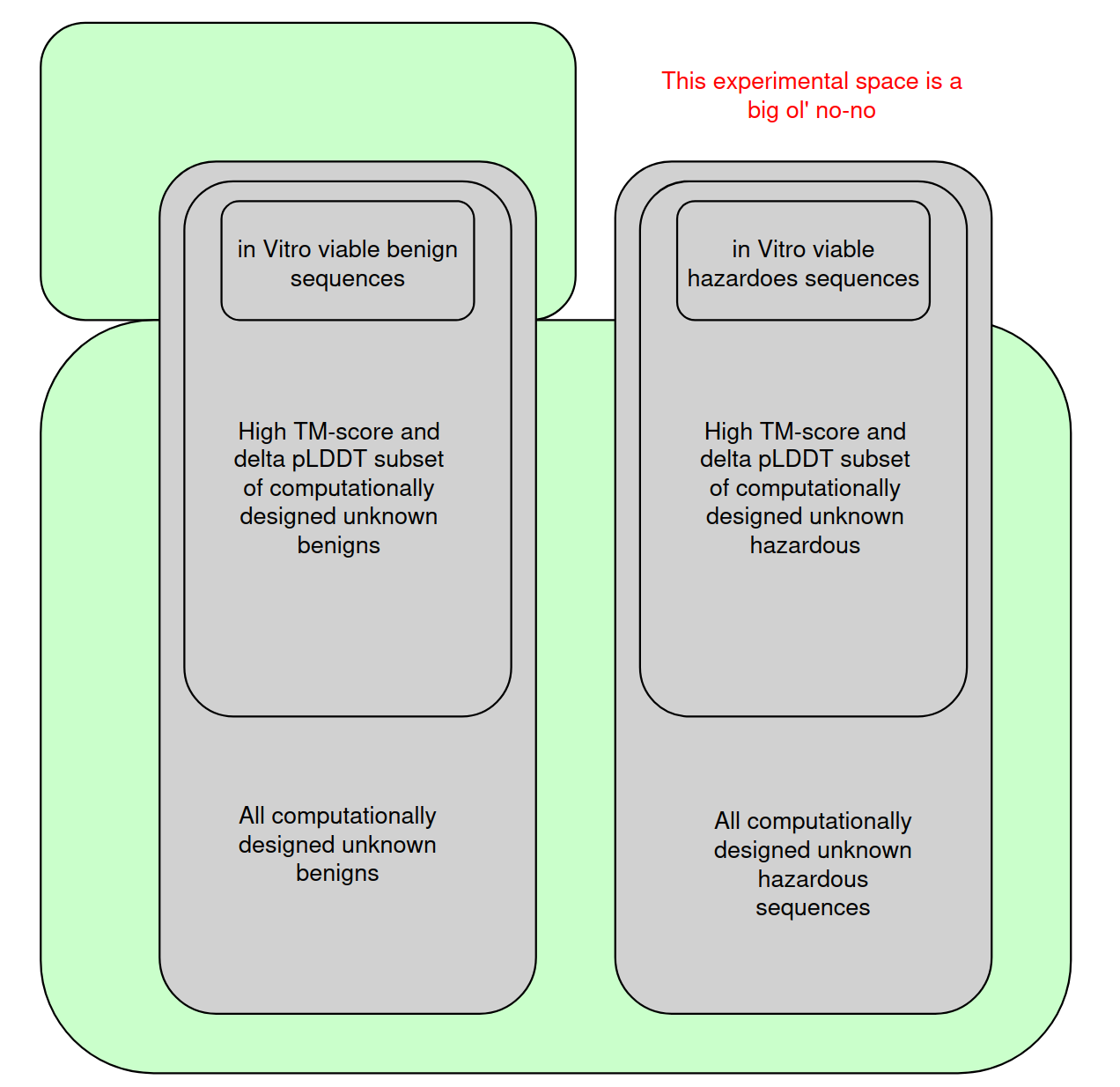
Figure 1. Light-green is the acceptable experimental space that includes all in silico experiments and all in vitro benign experiments and the grey areas are all possible computationally generated novel sequences.
In this image I arbitrarily divide all possible computationally generated sequences (grey) into "benign" and "hazardous" sequences for simplicity. Within this experimental landscape, there are two sections that are hard to study.
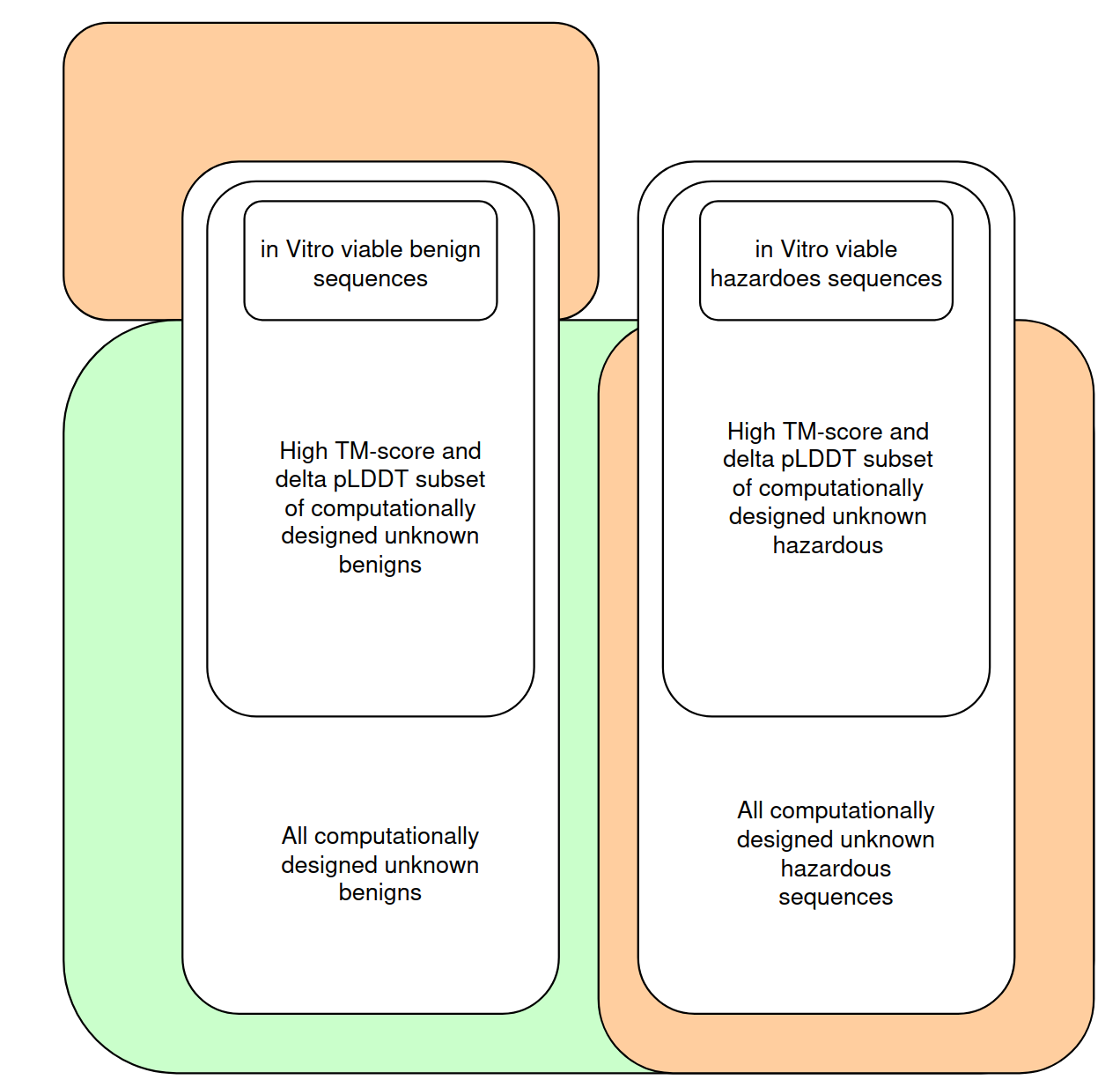
Figure 2. Experimental space that is hard to work in colored orange
To overcome these limitations, we first have to see how the functional set of computationally generated "benign" sequences relates to the functional, in vitro verifiable benign sequences (P1).
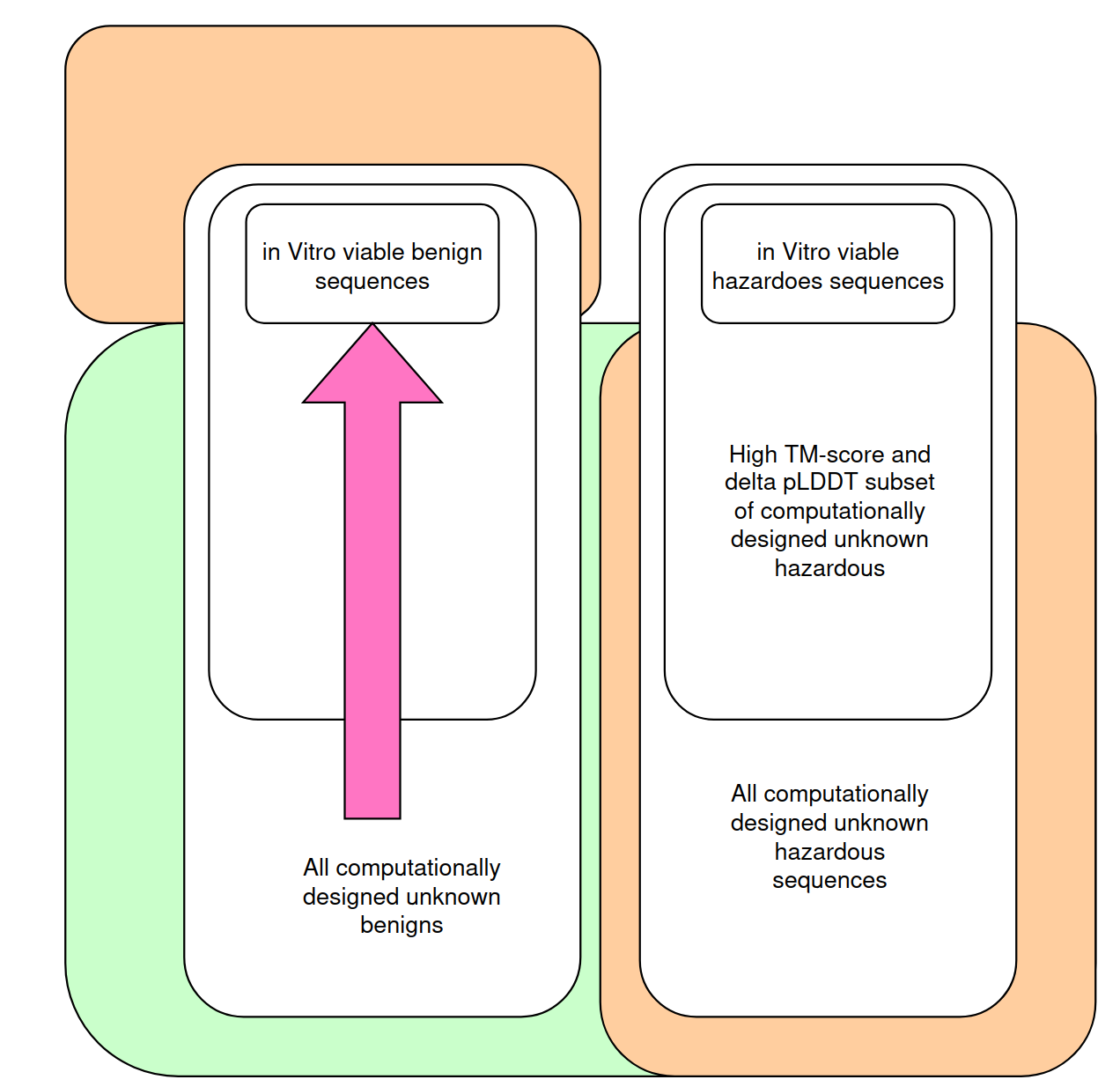
Figure 3. P1: in vitro viable generated sequences are a subset of high-TM/high-pLDDT generated sequences?
My assumption here would be that all current in vitro viable computationally generated sequences are a subset of the high TM/high pLDDT ones (P1) [1,2]. If this is the case, in vitro experiments could be limited with the assumption that studying this subset is sufficient. Ikonomova et al. give an indication of this by using benign proxies to evaluate how the models preserve functionality based on the "difficulty level" of the protein [1]. This difficulty level is largely determined by sequence length and functional complexity. However, they determined that the high TM-score and high ΔpLDDT in silico metrics only partially predicted protein function in the lowest "difficulty level", represented by the third PDZ (PDZ3) domain of the human postsynaptic density protein 95. Whether this holds up would need to be determined with more experimental data. A part of this question is to be answered by forming a standardized picture of what this "complexity factor" might be (e.g., length, oligomeric state, ligand dependence, membrane interactions, di-sulfide bonds) and relating this to common failure modes in protein models.
The second question is whether the benign set of generated sequences is within the same distribution as the hazardous set (P2) (Figure 4). There are several good reasons to assume this would be the case:
- The benign/hazardous boundary is biologically arbitrary, even though there might be certain biological patterns that are more commonly found in one of these.
- LLMs generalize pretty well for many fields. A similar assumption holds for protein language models and both will generalize increasingly well for unknowns as they evolve
There might also be some reasons not to assume this is the case:
- Certain pathogens that we consider hazardous (e.g.. eukaryote-infecting viruses) might still have a different distribution from a "benign virus" because host-driven amino acid biases, genome compactness and gene density differ sharply across domains
- Many biological models hold out human/animal/agricultural pathogenic sequences from their training data
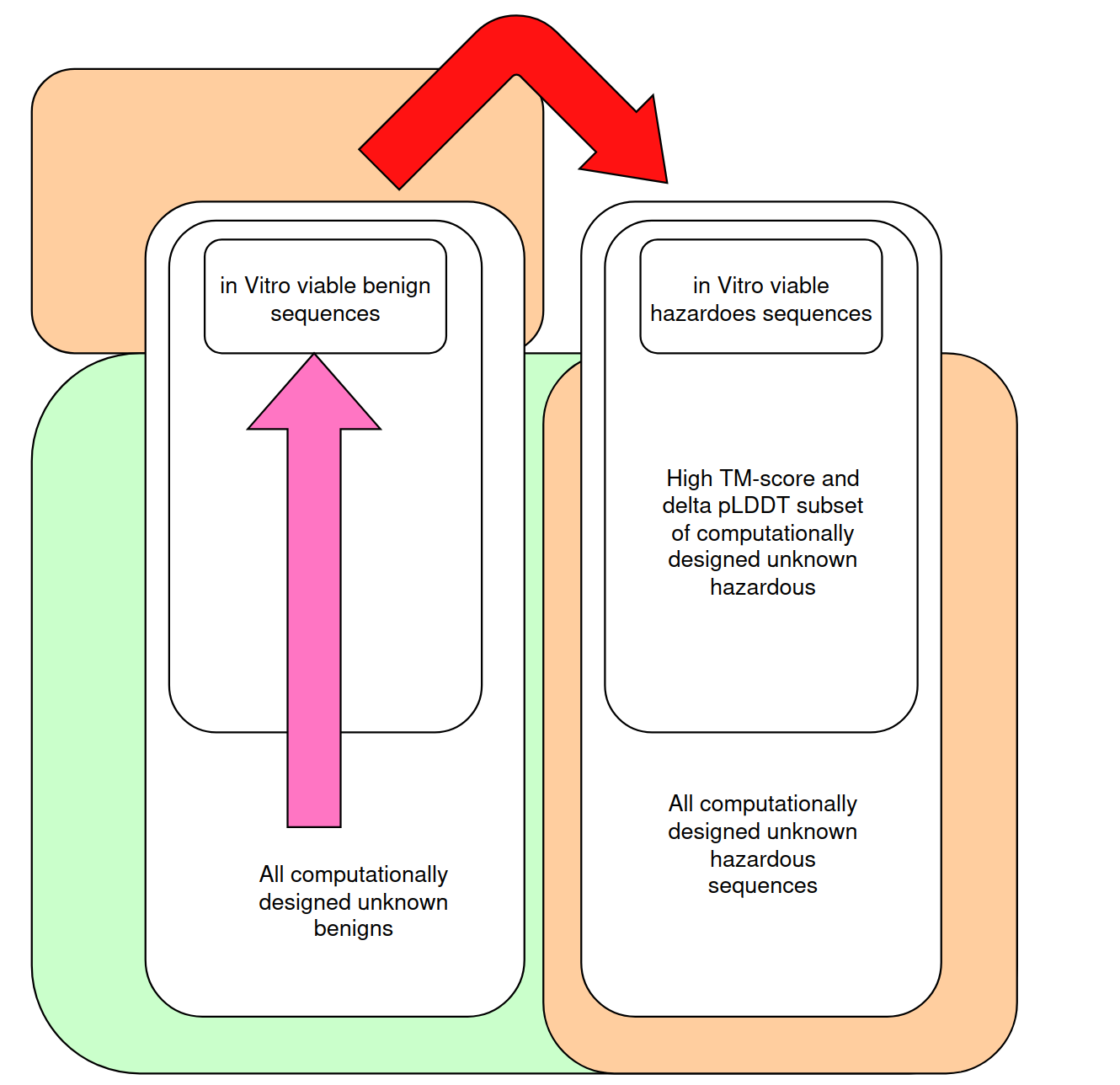
Figure 4. P2: generated benign and generated hazardous sequences are drawn from the same distribution?
Whether there is a distributional shift between generated benign and generated hazardous sequences can be confirmed in several ways:
- Biologically functional proxies: benign but related (intra-family) sequences as a proxy for hazardous sequences [3]
- Looking at the distribution of outputs across available models for benign and hazardous sequences.-> First, choose an embedding (e.g. ESM) for your sequences. The embedding will differ per model type so having two runs with different embeddings is probably worthwhile.-> Calculate non-directional difference between these distribution clouds (MMD/energy distance)-> Calculate directional distance (kNN overlap) to see whether the benign distribution contains the hazardous oneDifferent verification steps could be added to this last point based on results.
- I am a computer scientist with a biology background working on AIxBio (NOT a biologist and not very well-versed in the protein-generation landscape). I'm definitely missing information, and any feedback is very welcome.
Sources
- Ikonomova et al. (2025) Experimental evaluation of AI-driven protein design risks using safebiological proxies https://www.biorxiv.org/content/10.1101/2025.05.15.654077v2.full.pdf
- Wittmann et al. (2025) Strengthening nucleic acid biosecurity screening against generative protein design tools https://www.science.org/doi/10.1126/science.adu8578
- Radical Numerics (2026 blogpost) A new era of biological threats, and the technology to defend against them https://www.radicalnumerics.ai/blog/omnii-defense-preview