 AIFeed
Introducing the Kotlin Security Newsletter
Today, we’re launching the Kotlin Security Newsletter, a single place where you can track security fixes across Kotlin and its ecosystem. We’ll collect recent security fixes across the projects we cover in one digest, publish it on our blog, and send it to your inbox, so you don’t have to follow each Kotlin library or tool update separately. We will also include broader ecosystem security news if it affects Kotlin applications.
The newsletter covers topics relevant to Android, server-side, and Kotlin Multiplatform development. We aim to publish about once a month, when there’s something to share.
Subscribe to the Kotlin Security Newsletter
Why it matters now
You probably noticed more security updates than usual this year. One of the latest examples is the quarterly OpenJDK update published in October 2026. It lists 54 fixed vulnerabilities, which is three times as many as any previous update since OpenJDK started publishing them in 2019.
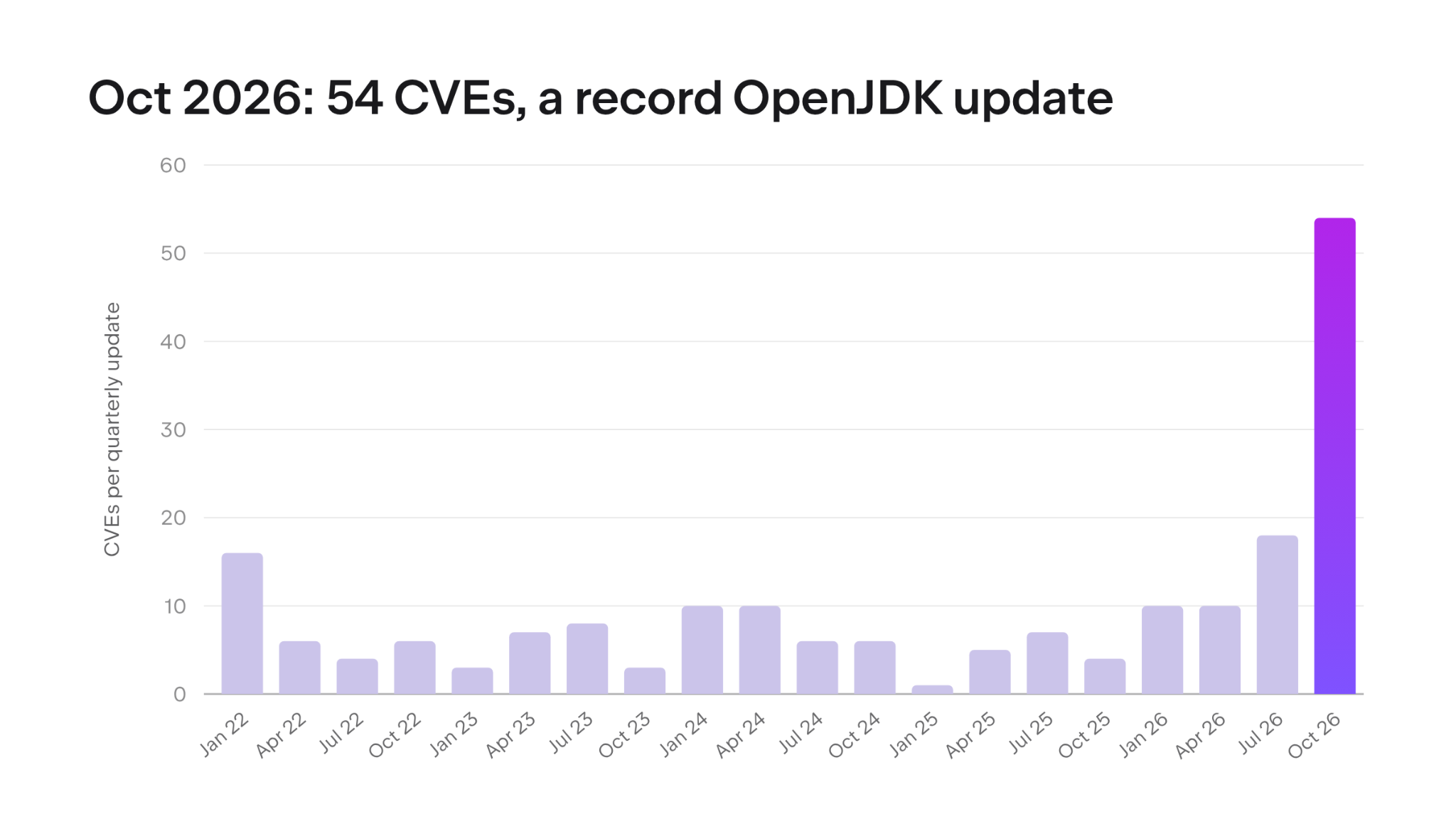
These days, security research is moving faster across the industry, and AI tools help researchers find issues in widely used code. Finding and fixing more issues is a good thing, but it also means more updates for your team to track, assess, and apply.
The Kotlin team sees exactly the same trend. So far this year, we’ve published 10 security fixes for Kotlin, Ktor, Exposed, and the kotlinx libraries, compared with one in each of the previous two years. Most of them came from security researcher reports. Some fixes are in backend code, such as the Ktor server and Exposed. Others are in Kotlin’s build tooling and in libraries that many Android and Kotlin Multiplatform apps rely on, such as the Ktor client and kotlinx.serialization.
Earlier this year, we introduced a security support policy for the Kotlin standard library on the JVM. Since Kotlin 2.4.0, each release line of the Kotlin standard library for the JVM gets security fixes for 18 months. The newsletter is the next step in that work.
What’s in each digest
Here’s what you’ll find in the digest:
- Security fixes in Kotlin and its ecosystem. This includes Kotlin itself, the kotlinx libraries, Compose Multiplatform, Ktor, and Exposed. For each fix, you’ll see the affected and fixed versions, with a link to the details.
- Security news from the wider ecosystem. We may highlight vulnerabilities that affect Kotlin applications. When we do, we’ll explain what’s affected and link to any available fixes or workarounds.
- Occasional Kotlin security events. We’re planning to organize online or in-person sessions for the community. We will share invitations in the digest, including the topic and how to join.
We’ll keep each digest short and focused on what you may need to act on. If a month has no new fixes, we’ll wait until there’s something to share.

Found a vulnerability? Tell us
If you find a security issue in Kotlin or one of its libraries, please follow our security reporting guidelines. We always want to hear about security issues you find in Kotlin and its libraries. To report one, create a ticket in the Kotlin issue tracker with the Security Problem type, which limits who can see it. You can also email [email protected].
Please include steps to reproduce the issue and coordinate any public disclosure with us. We also ask that you confirm AI-assisted findings manually before reporting them. The JetBrains Coordinated Disclosure Policy explains how we handle reports and publish fixes.
Thank you to everyone who reported security issues to us this year!
Subscribe to Kotlin Blog updates
Thanks, we've got you!