 AIFeed
Article title: Claude Opus 5.6 Made the Most Incredible PPT Ever, Straight-Up Killing the Game?
Body:
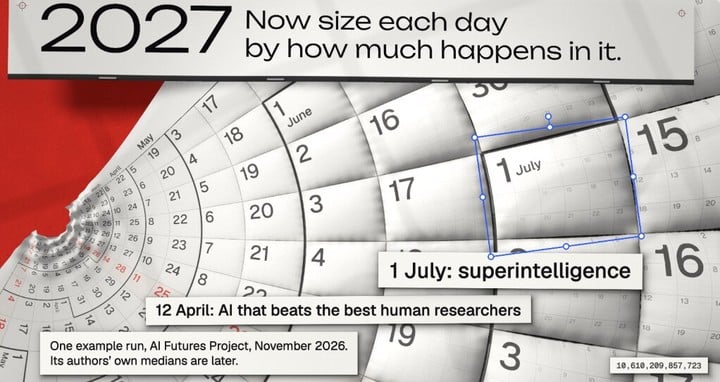
Claude Opus 5.6 Made the Most Incredible PPT Ever, Straight-Up Killing the Game?
2026-11-27 17:06
This might be the most absurd AI-generated PPT we've ever seen.
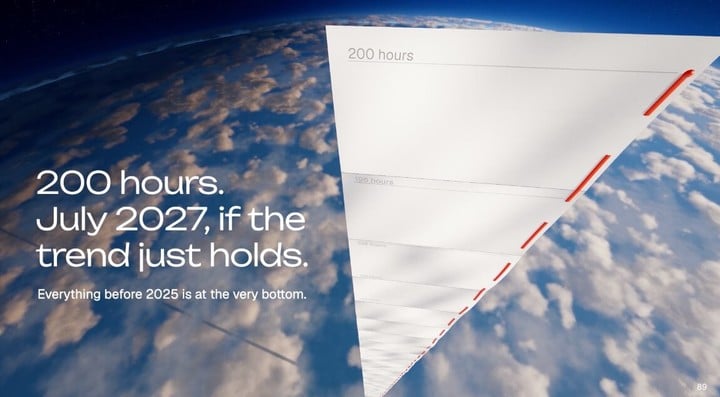
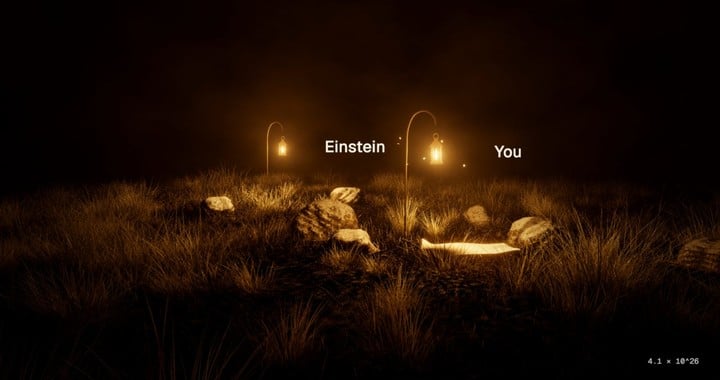
Over the past 24 hours, this piece, titled "The Last Boring Slide," has racked up tens of millions of views on X.
It has cinematic camera movements, complex three-dimensional scenes, and all kinds of silky transitions. What's even more outrageous is that the entire piece remains interactive, and all the visual effects are implemented through code.
And the author gave Claude only a single prompt—no specified visual style, no creative assets provided.
Make a PPT about the future of AI, basically an intelligence explosion. You can completely drop the anchoring bias, just things going crazy, because they will. I want this PPT to be the most carefully crafted, insanely stunning PPT you've ever seen, with all kinds of graphics, transitions, whatever you want. I trust you can make it stunning, because you have taste and you have the ability. Good luck, Claude.
42 minutes later, Claude delivered this piece.
But what really got people excited wasn't the PPT itself, but the model that made it—the not-yet-officially-released Claude Opus 5.6.
The author was actually using Opus 5.6, which is being covertly tested within Opus 5.5, at the xhigh reasoning level. The entire task consumed 2–3% of his weekly usage quota, equivalent to $90 at Opus 5.5's API pricing.
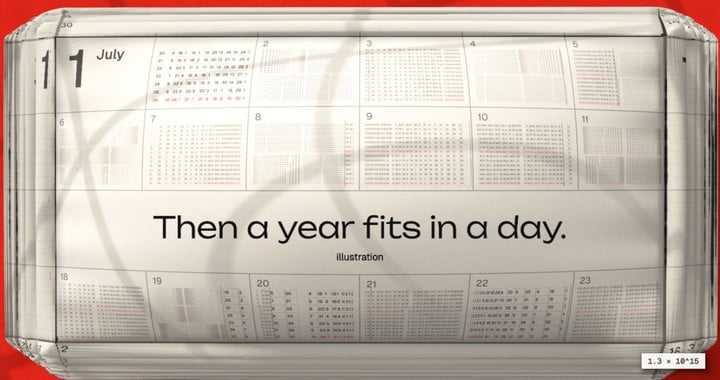
A traditional PPT is made up of individual slides, but in this piece, every page can be a scene, a shot, or even a complete virtual space.
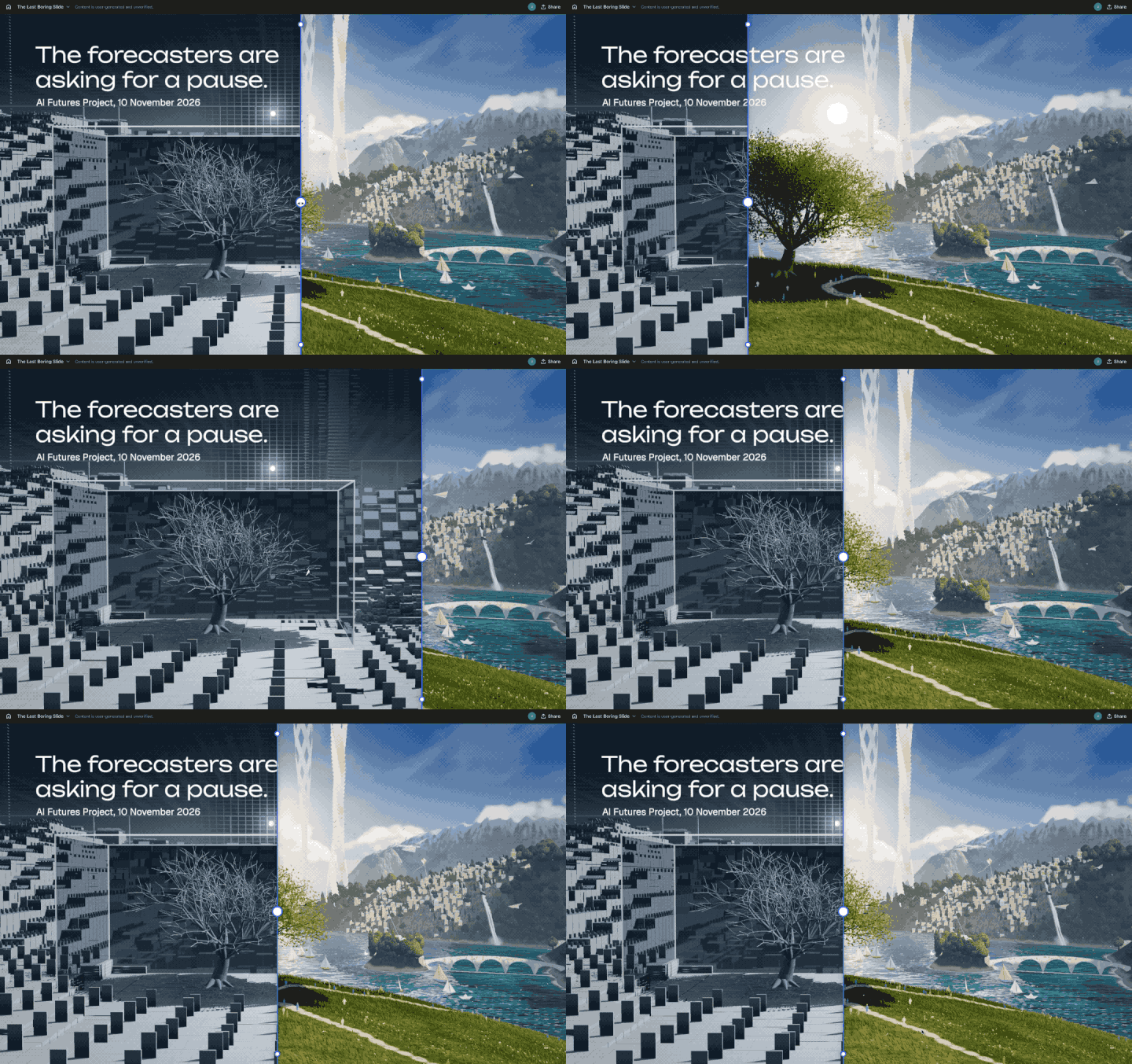
One user said that when they first opened the webpage, they thought, isn't this just an ordinary PPT?

But as the presentation progressed, the selected objects shifted from charts and text to the Earth, the Sun, and even the entire frame.
These visual symbols from office software string together scenes of wildly different styles, giving the whole piece a constant feeling that "the slide deck is rewriting itself."
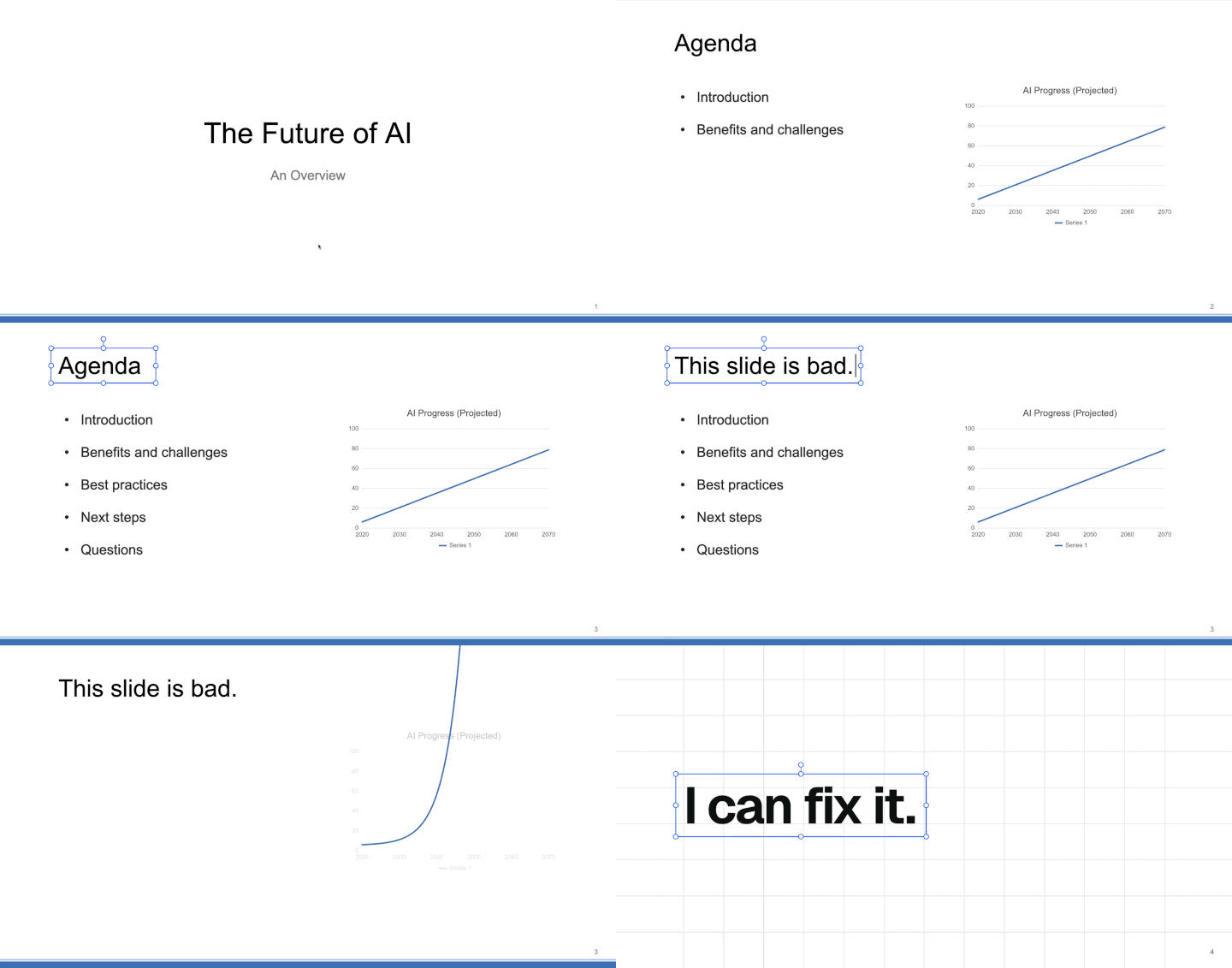
The PPT's viral success has also gotten people excited about Opus 5.6's capabilities: powerful visual generation doesn't necessarily require a visual generation model; by writing code, large language models can likewise produce animations, 3D scenes, dynamic infographics, and complex transitions.
And Opus 5.6's ability in this regard has pushed almost everyone's expectations to the max.
It's been only about two weeks since Fable 5.2 was released, and already quite a few users have accidentally experienced this new model while using Claude. Beyond PPTs, they've also used Opus 5.6 to make animated shorts, 3D worlds, and even movie trailers with original soundtracks.

In the eyes of early testers, Opus 5.5 was already up to most motion tasks, but Opus 5.6's animations are smoother, and it can tell a coherent story with simpler prompts.
It can also complete more complex Three.js projects without using external assets or tools.
The Advancing Pelicans
Just like the classic pelican riding a bike, there's now a "crash test" version. A user had Claude create an SVG animation simulating the entire process of a pelican riding a bike into a wall and shattering to pieces.
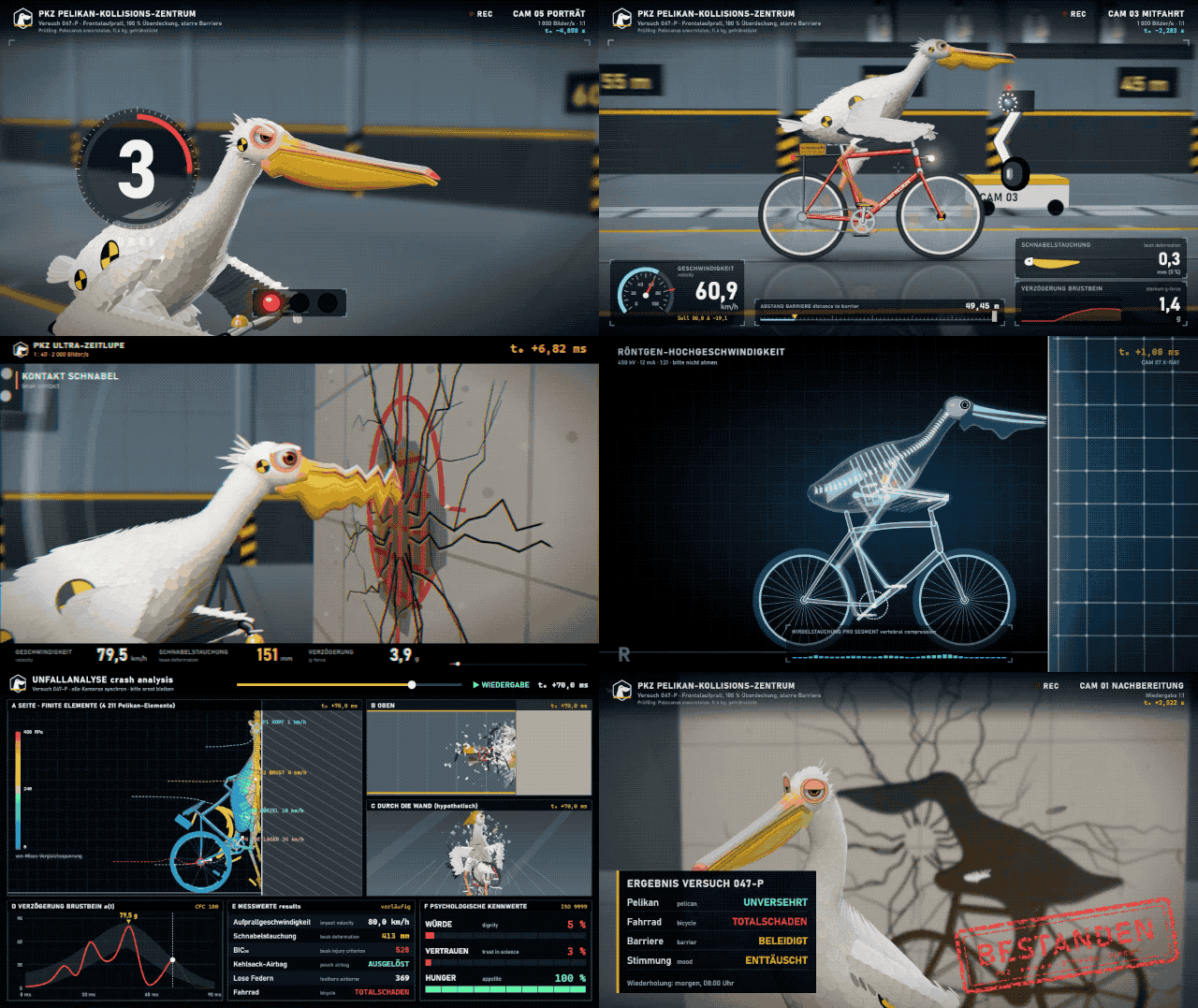
There's also an ultra-hyped animated trailer made entirely with code, titled "A Pelican Riding a Bicycle."
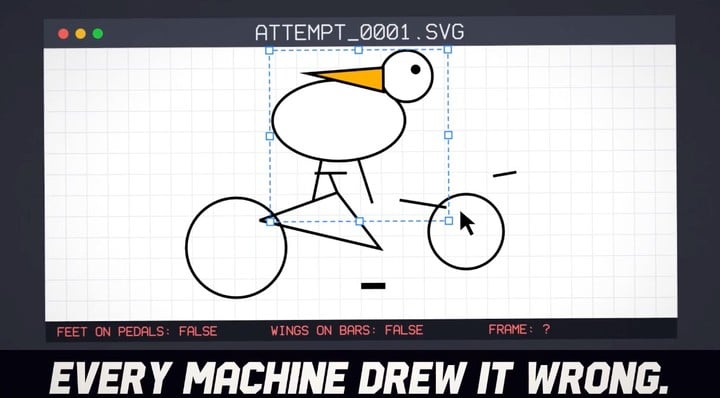
"Generate an SVG of a pelican riding a bicycle" is a famous AI model meme benchmark: most models draw a broken bicycle and a pelican that couldn't possibly ride it. Turn this pelican into the protagonist of a 60–75 second ultra-hyped animated trailer. Present it completely straight-faced, like a season trailer for a sports or action animation, with full sincerity and full hype. The joke is how seriously it takes itself.
Some users even went straight to making micro-shorts. In the story, a young person rides on the back of a giant pelican, drinking tea while passing through markets, docks, and the night sky. The whole image unfolds from a flat woodblock print into a 3D world, and when the story ends, it turns back into a print.

In this HTML file, the zither notes correspond to lanterns, the flute sound controls the steam above the teacups, and the bass drives the fabric, trees, and tail feathers. When the sound changes, the objects in the scene change with it. We can open it directly to run in real time in the browser, drag the viewpoint, zoom, and trigger sounds.
Another user fictionalized a model called "Claude Pelican 1," whose only function is to generate SVGs of pelicans riding bicycles.
The user used Claude's official release video as a reference and had Opus 5.6 make a promotional video for this model too. And honestly, it does have a bit of that Anthropic official ad flavor.

Better at Generating Animation Than Video Models
Beyond pelicans, users have also used Opus 5.6 to make all kinds of animations.
From camera cuts and character movements to background music, Claude can control it all through code. It can even make the movements in the frame change to the rhythm of the music.

Another user, X@ezAIT00, who also accidentally experienced Opus 5.6, had it spend two hours making the animation below.
Claude didn't use Blender, nor did it call on Three.js; instead, it wrote a WebGPU renderer from scratch. No external code libraries, no ready-made assets—every pixel and every sound was generated by code.
Of course, code-generated animation has its shortcomings. Some users complain that the sound effects generated by large language models these days always sound like a haunted house. Still, considering that Claude can now simulate complex physical phenomena like breaking ocean waves through code, its potential in multimedia creation is still worth looking forward to.
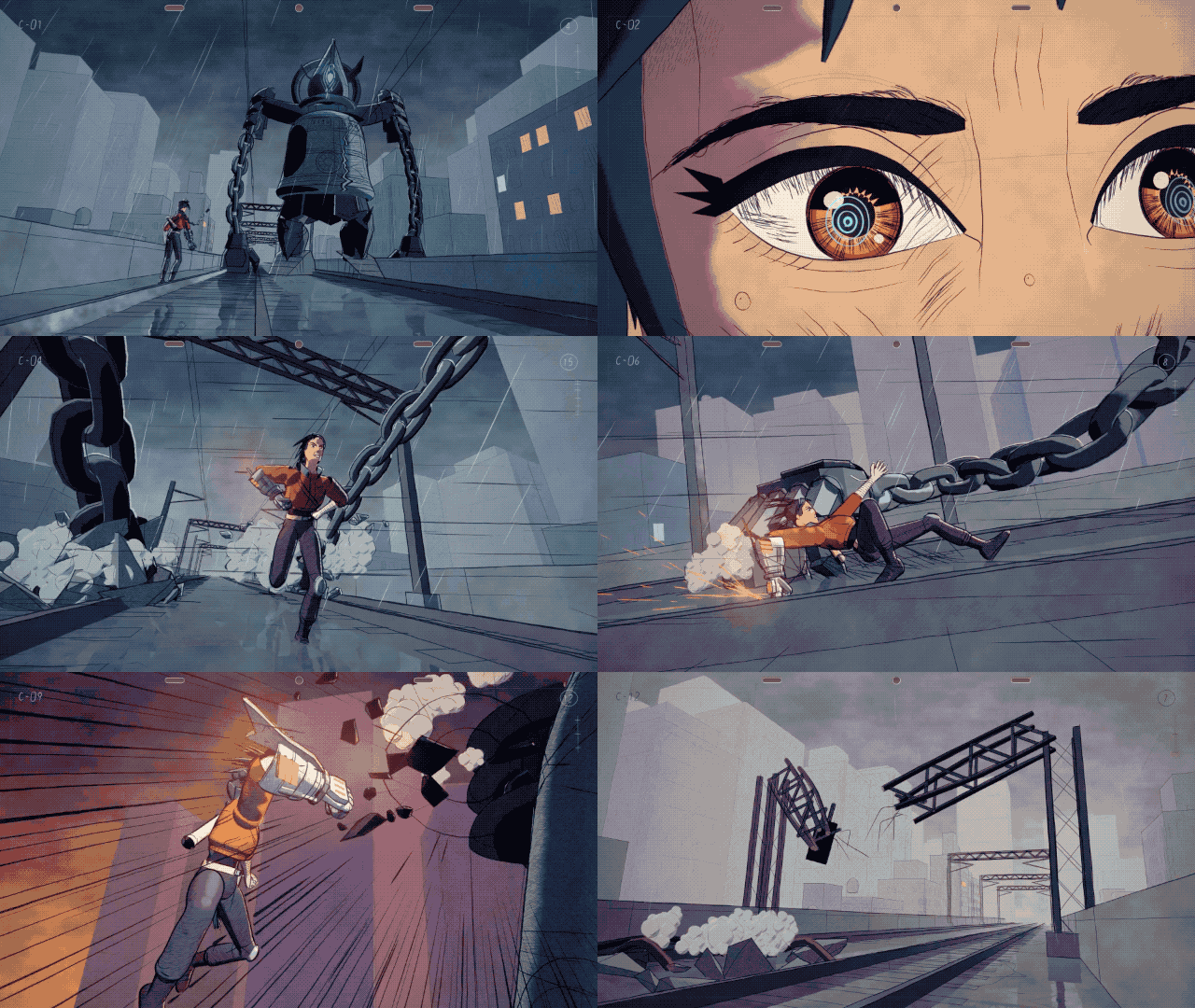
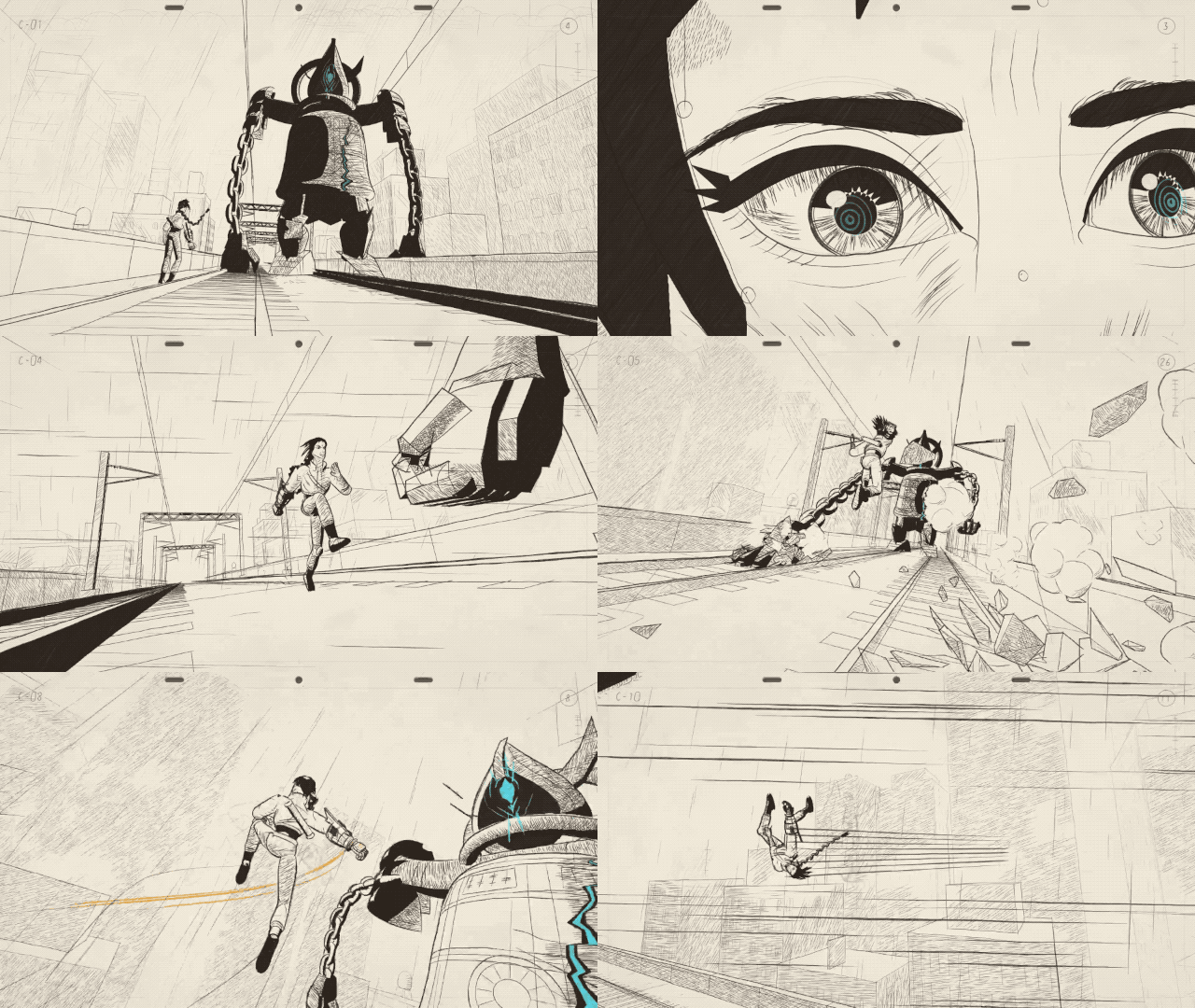
Compared with video generation models, code-generated animation has another advantage: it's more precise to modify. For example, one user used Opus 5.6 and Three.js to make an animation and generated both a color and a black-and-white version. No external assets were used throughout the process.
Both versions look stunning, and the author said they can no longer think of anything this model can't do, and that when Opus 5.6 is officially released, it will bring enormous change.
Some users also commented that they could already make similar shorts with Opus 5.5, so they believe Opus 5.6's level can achieve this.
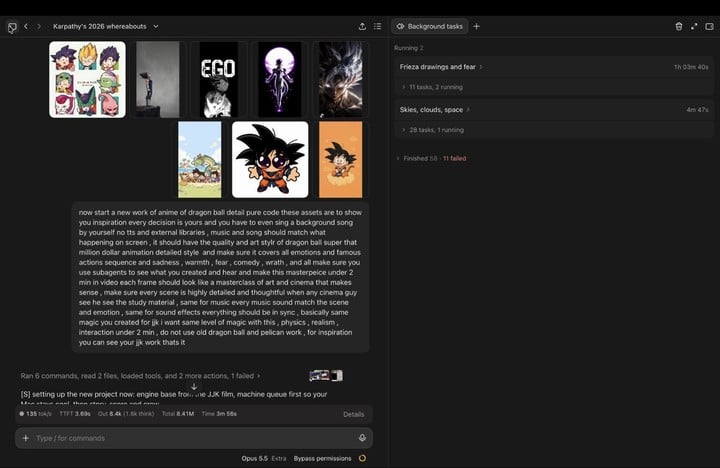
Similar cases include other IP animation works made by the leak blogger X@chetaslua, like this Opus 5.6 version of "Dragon Ball."

The blogger @chetaslua uploaded just a few reference images, sent Claude a prompt, and got a 118-second animated short.
The entire short uses 1080P resolution at 24 fps and contains 41 shots. The drawing of the frames, the character movements, and even the soundtrack and vocals were all done by code, with the music at 144 BPM.
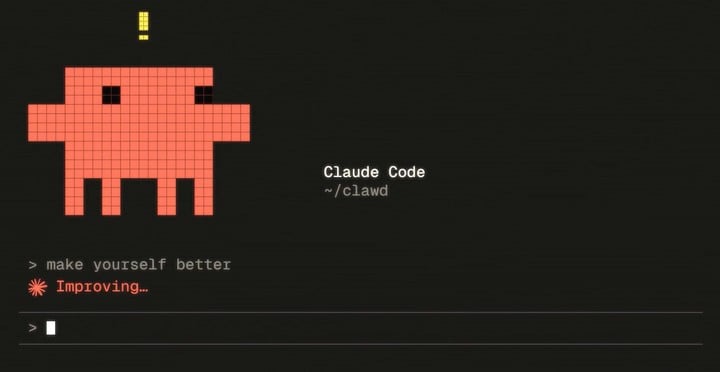
The blogger X@fluxxrider, who created "The Last Boring PPT," also posted a new video, using Opus 5.6 to make a video about RSI. This time, the prompt he gave was equally simple.
Make an animation about Claude using the Claude logo. About RSI. This is a Clawd (use this as the model). Make it stunning, use whatever you need. Make it very, very good, like those demos on Twitter. Good luck!
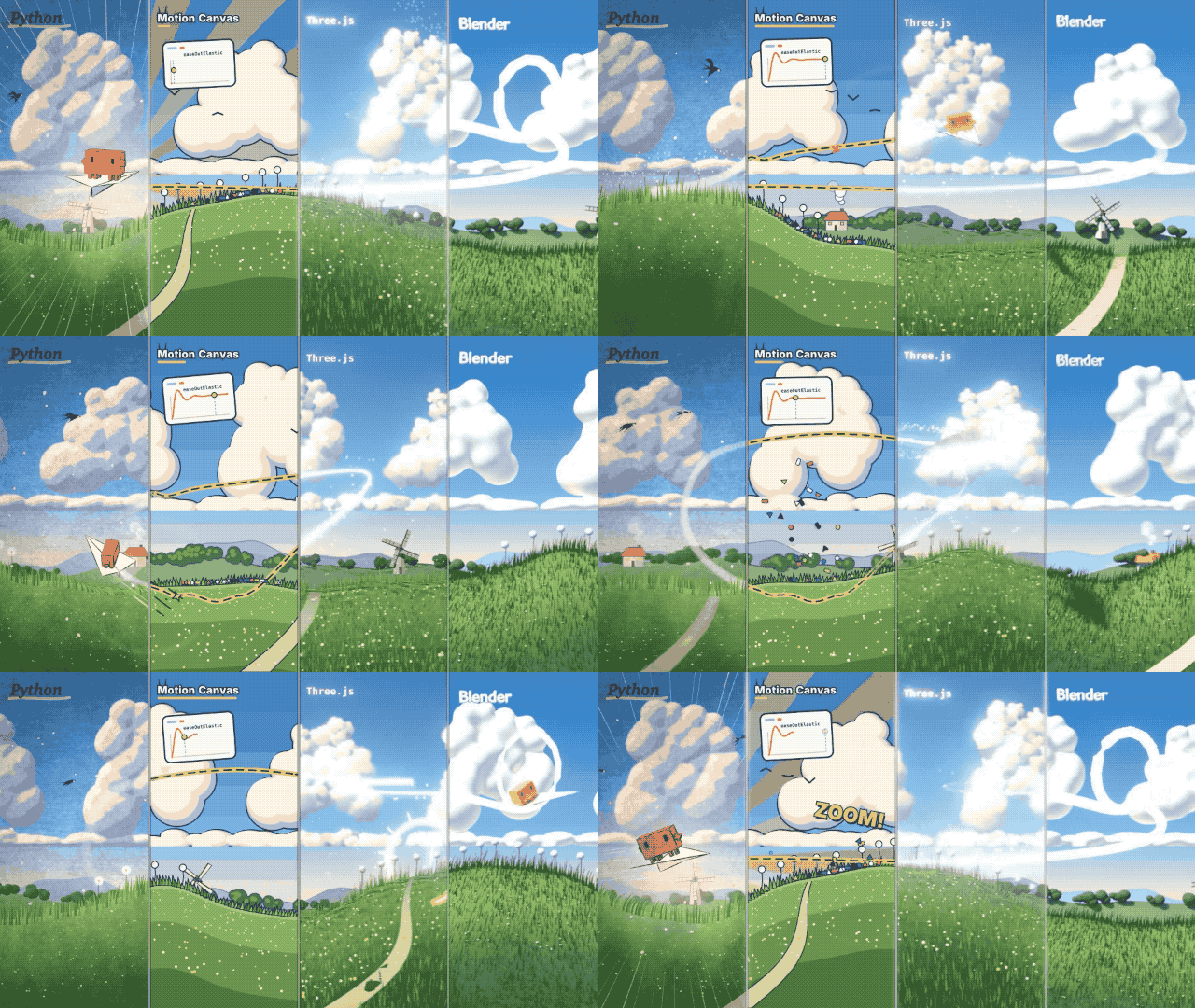
Netizen @aura_uniiiii also summarized the four current ways to make videos with large language models.
If you want a freer visual style and a hand-drawn feel, you can use Python; if you want to mass-produce templated videos, you can use Motion Canvas. Three.js is better suited for interactive 3D scenes, while Blender can be used for more complex 3D modeling.
Interestingly, Anthropic has yet to release a dedicated image or video generation model, but Claude has already used its programming capabilities to explore plenty of new tricks in multimedia creation.
Yesterday, Karpathy shared a new website he made, packaging real US statistics into an interactive map styled like the interface of the game Civilization.

The entire project was completed on the Claude Code desktop app, using Opus 5.5 with the reasoning level set to medium and ultracode enabled.
From downloading data and writing data-cleaning scripts to building the website frontend, Claude spent a total of 7 hours, wrote about 45,000 lines of code, and ultimately got the whole project running.
And this is something Opus 5.5 could already do. From PPTs and animations to music and complete 3D worlds, every time Claude's programming ability improves, the creative fields it can take part in seem to expand along with it.
Barring surprises, Opus 5.6 will probably be the first model released after Anthropic's official IPO, and the cases that have leaked out so far are already enough to make people excited.
We've often said before, "Wanting to make a game, an animation, or even an interesting website used to mean spending months learning the relevant skills; now one person, one prompt, and a few hours give you a chance to turn these ideas into reality."
And Vibe Coding from last year through the first half of this year is already a completely new landscape compared with Vibe Coding in the past two months. Models are getting stronger and stronger, there seems to be more and more we can Vibe, and there are more and more varied ideas that can be realized than before.
What's more, what we're seeing right now may only be a small part of Opus 5.6's capabilities.
For video previews mentioned in the article, visit the APPSO WeChat official account, or click this link to view