 AIFeed
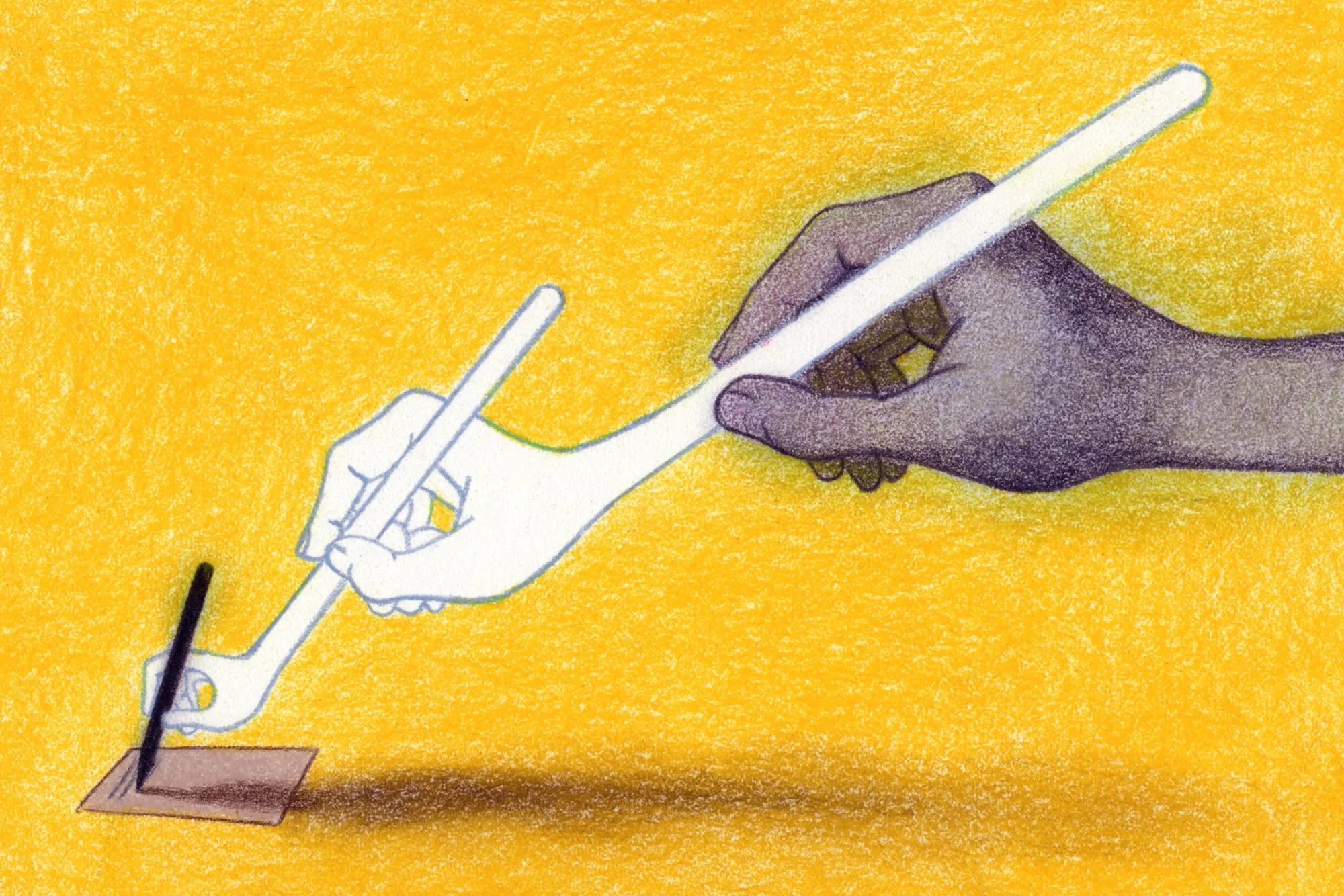
To the publishing industry, Mia Ballard was the first public artificial intelligence scandal. To Mia Ballard, it was the accusation that imploded her life. By the time Hachette Book Group, one of the Big Five publishing houses, pulled her book Shy Girl from publication in March, she was spending most of her time in bed, shut away in the spare room. She didn’t even want to see her fiancé, with whom her relationship would later fall apart. When she started receiving racist messages — “I knew black people can’t write” — she deleted Instagram, where she’d posted most days. Eventually, after what she calls “an episode,” her grandmother took her to a mental health facility, where she stayed for two weeks.
It was in the facility’s noisy common room that Ballard says she started writing again. She tried not to think about the millions of people who’d watched a 2½-hour YouTube video trashing her book, or the 78.3% AI-written score Shy Girl received from AI-detection service Pangram. “They don’t know you,” she told herself as she filled a notebook by hand. “You are a good writer.” She got medicated, started therapy and moved into a new apartment with her springer spaniel. In July she self-published Poly, the novella she’d begun in the facility. Reviews on Goodreads were mixed. “Weird (great),” said one. “Another book written by ChatGPT,” said another. “Girl, can you just go away?”