 AIFeed
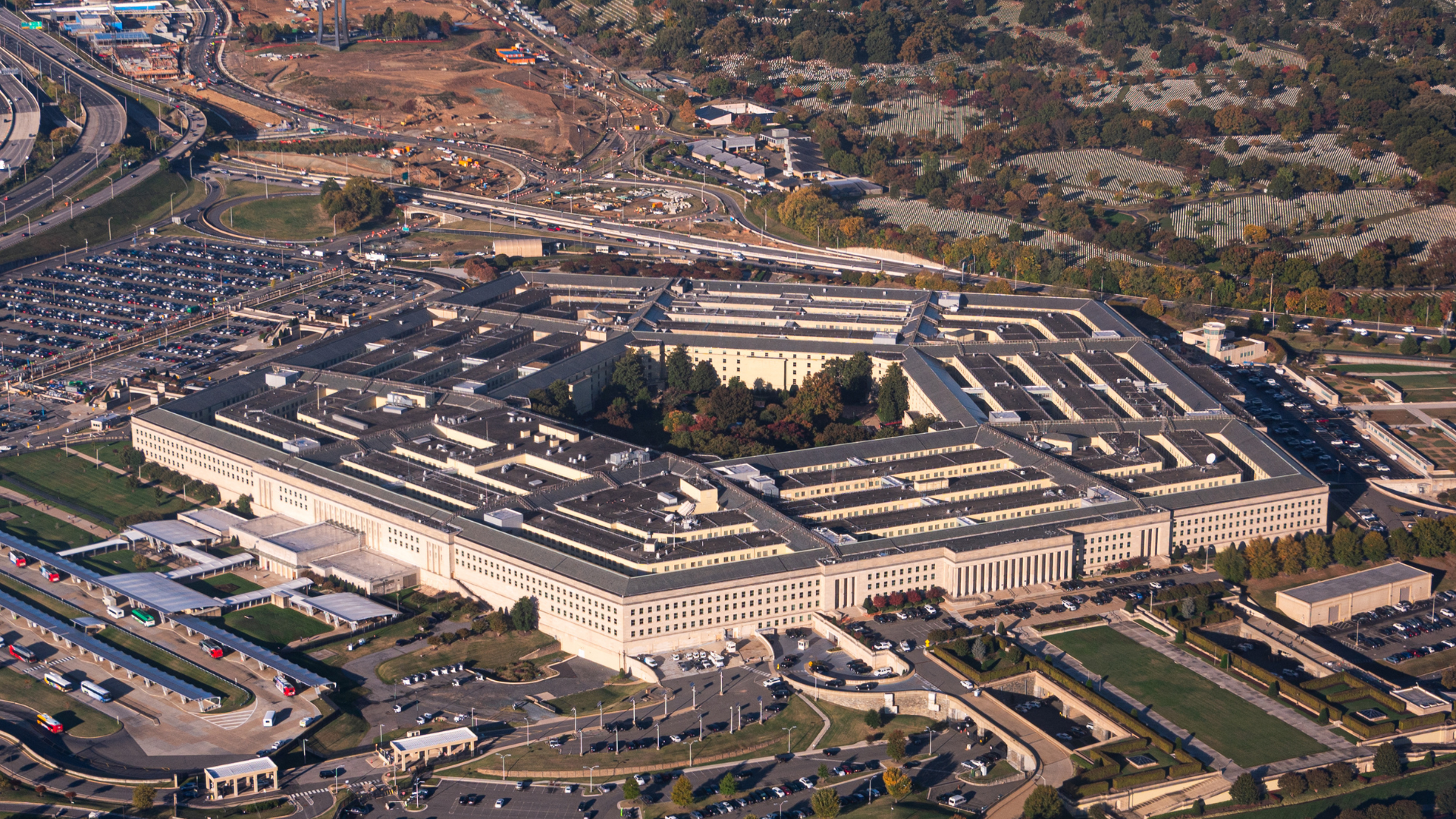
Following the resignation of Jensen Huang as Nvidia's CEO after admitting to an affair with a suspected Chinese spy, U.S. defense leaders considered invoking a Cold War-era law in an attempt to force the company to reinstate him, according to a new report. Huang was given his CEO job back earlier this week, with the board reminding the founder of the importance of "candor and honesty" in the future. Now, The Washington Post reports that U.S. officials were so keen to ensure that Huang was reinstated that they brainstormed ideas as to how they could make it happen. One of the options on the table was the Defense Production Act, or DFA, a 1950 law that allows presidents to interfere with private companies. The law is usually used to force those companies to supply the military during wartime, but Defense Secretary Pete Hegseth and his senior deputy, Steve Feinberg, wondered whether it could also be used to put pressure on Nvidia's board.
While the DFA doesn't explicitly give the president the power to place a particular person into the CEO role at a company, it could still be wielded to achieve the same result. “Essentially, they could use the DPA to force Nvidia to shift more of its production to military projects,” one of three people reportedly familiar with the discussions said. Such a move would have limited Nvidia's ability to sell components for a profit, affecting its production plans and share price as a result.
The way in which U.S. officials pushed for Huang's return before his November 23 reinstatement is unprecedented. Current U.S. President Donald Trump called for Huang to be given his job back on multiple occasions, including when talking to reporters at the White House. Trump also confirmed that he called into an Nvidia board meeting to pressure members to bring Huang back just 11 days after he resigned. And with Huang still set to face questions from China congressional and Senate Banking committees, Trump has admitted that a pardon for the CEO is "always an option." This came after it was suggested that Huang could plead the Fifth Amendment for fear of incriminating himself and landing himself in legal hot water.
The U.S. military views Nvidia and its advanced AI chips as vital to national security, perhaps explaining why officials have been so keen to ensure Huang's return. Trump and Huang have a strong relationship, with the former joining the president aboard Air Force One for a recent trip to China. This came after Huang was initially snubbed for a trip that also included former Apple CEO Tim Cook and SpaceX CEO Elon Musk.

Download the Tom's Hardware app for up-to-the-minute updates on iOS and Android. Also follow Tom's Hardware on Google News, or add us as a preferred source, to get our latest news, analysis, & reviews in your feeds.
Get Tom's Hardware's best news and in-depth reviews, straight to your inbox.

Oliver Haslam has written about technology of all shapes and sizes for over 15 years, both online and in print. He's fascinated by how personal computing continues to change as tower PCs give way to foldable phones and beyond.