 AIFeed

OPPO Reno17 Pro Review: How Many Steps Does It Take to Put a Cat Inside a Phone?
2026-11-26 12:02
Reno is probably the series in the phone world that loves making a fuss over glass the most.
Liu Haoran, OPPO's Industrial Design Director, once told ifanr that internally, the team tends to see Reno as the trendsetter among mainstream products.
To sell widely yet avoid being mediocre, craftsmanship became the most direct answer.
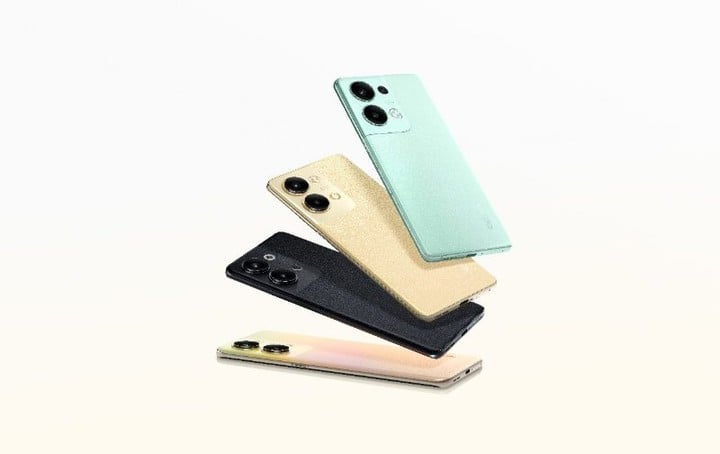
Reno9 used diagonal etching to create a "woven feather pattern," giving Midnight Black both a matte fineness and a sparkling liveliness; Reno11 brought the layered depth of gemstones into the back cover.
The route afterward was clear: patterns would no longer stop at the glass surface, but sink step by step into the glass itself.
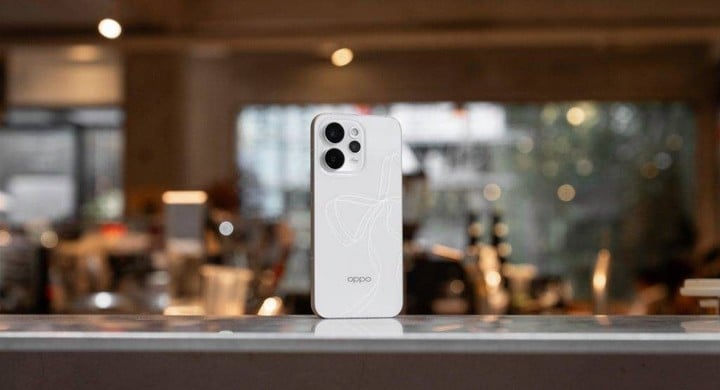
Reno15 used holographic lithography to create a naked-eye 3D bow, and Reno16 embedded a floating planet into the back panel.
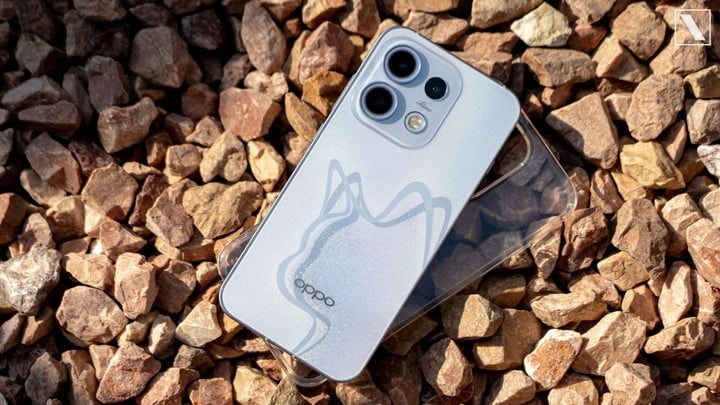
On November 16, OPPO officially launched the Reno17 series. We got the Reno17 Pro in the "Whimsical Meow" colorway, so let's start with the most eye-catching part: the back cover.
Putting a cat between layers of glass
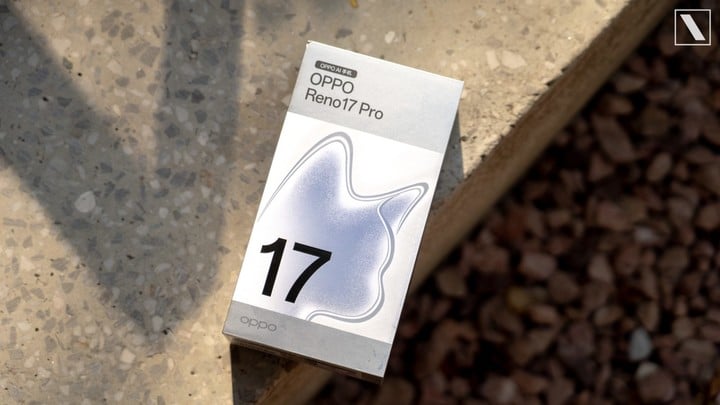
The Reno 17 Pro's box uses a conventional silver-gray design, but the central square area is embossed with the relief pattern of the "Whimsical Meow" back cover.
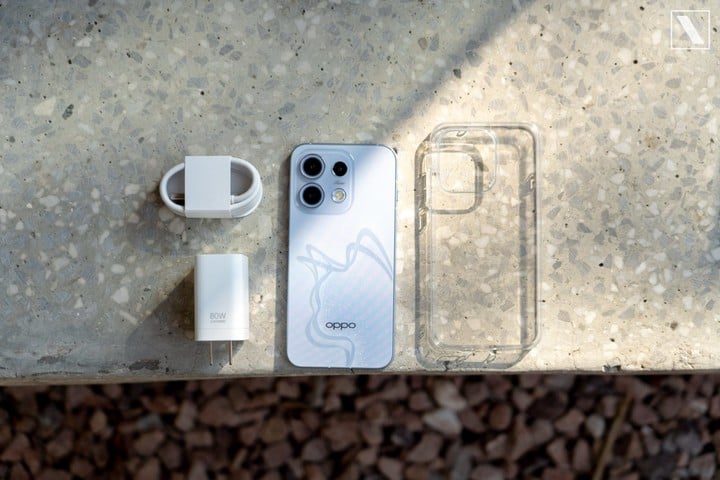
Inside the package are the Reno17 Pro itself, a clear case that conveniently shows off the back cover texture, a SIM ejector pin, and an 80W SUPERVOOC USB-C to A charging set.
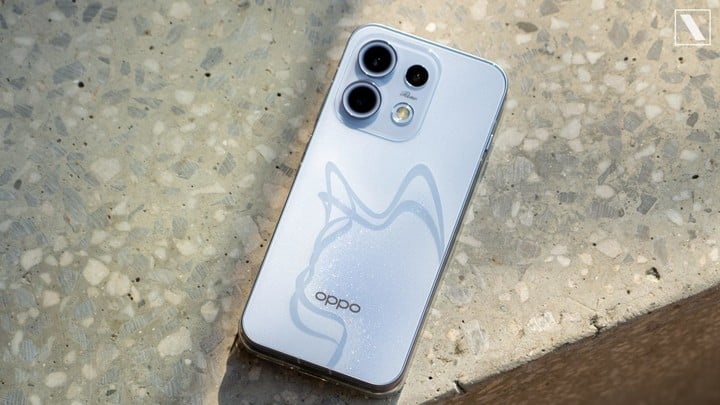
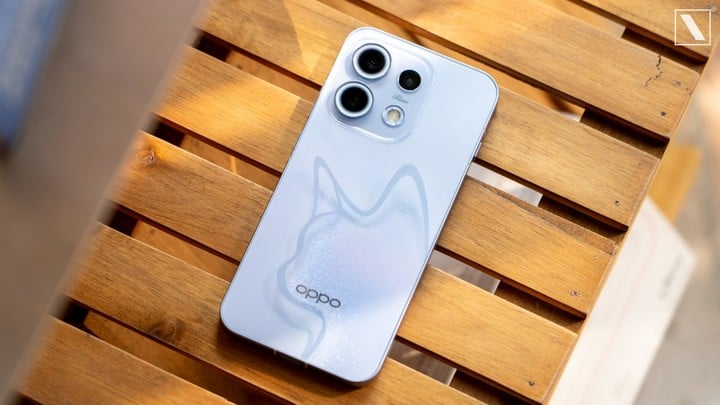
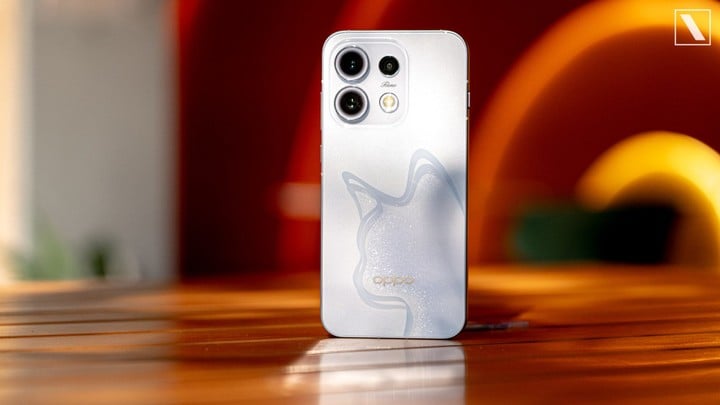
Once you pick up the phone, it's hard to ignore the cat on the pale blue body. The sense of depth is very strong; as you rotate the phone, the cat pokes its head left and right, as if floating beneath the glass.
But when you touch it, the back panel is still flat glass—it relies on optical structures, not physical relief.
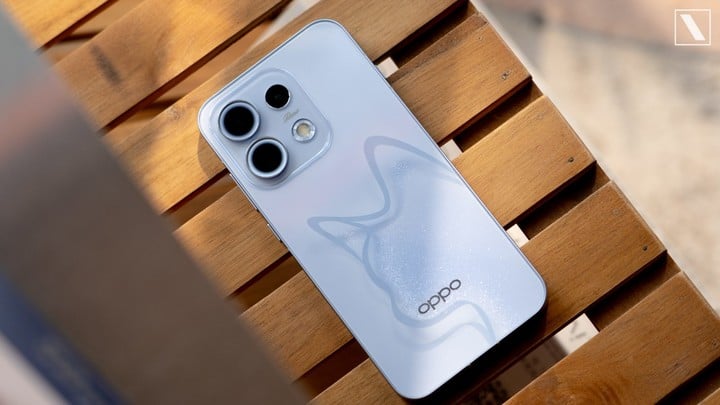
This comes from the 3D Ice-Transparent Floating Craft 2.0. OPPO upgraded the process from Reno16 and added three light-and-shadow tuning steps. Based on public descriptions, it can roughly be broken down into three steps.
Step one: arrange microlenses on the back cover film. Millions of micron-level microlenses are precisely arranged on the film, and they are the source of the depth: the lenses change how light refracts as the viewing angle shifts, so when the angle changes, the pattern's apparent position and form change too.
Step two: outline the pattern and tune the light and shadow. The pattern is outlined with micro-nano printing, then millions of microlenses undergo precise light-and-shadow tuning to converge the image points into the cat's head. The cat head you actually see is drawn with two sets of lines of different luster, and the transition between light and dark lines determines the layered "head-poking" effect.
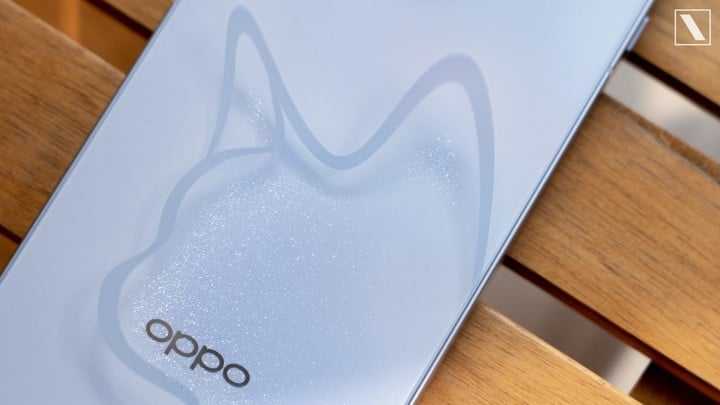
Step three: lay in fine shimmer and overlay ice transparency. Patterned coating integrates starlight-like fine shimmer into the ice-transparent back panel, appearing and disappearing with light and viewing angle. The area around the cat's head thus gains a delicate glitter layer, and the whole back panel looks more like a piece of glass with depth rather than a sticker.
Reno's CMF design often starts from a specific feeling and then quantifies it through craftsmanship.
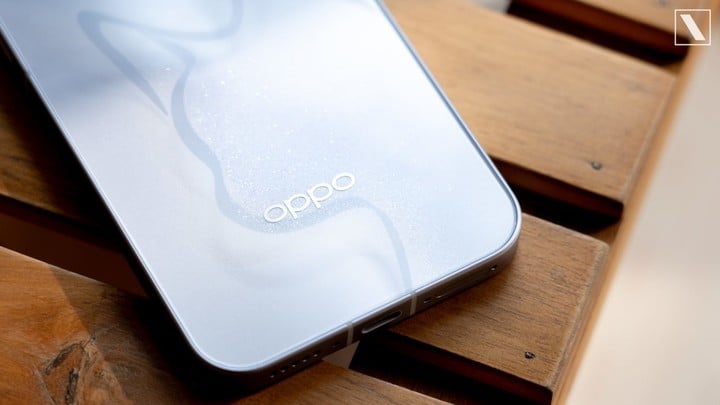
The approach is also fairly restrained. The sense of depth is provided entirely by optical structures, without relying on heavy colors or raised relief, so the grip is unaffected and the glass's transparent texture is preserved.
The camera module DECO adopts a common rounded-square design with a gradient, and the surface uses one-piece cold-carved glass craftsmanship to enhance the texture, connecting naturally with the back cover. Overall, the cleverness of this back cover lies not in color, but in light.
More than good looks, a very solid foundation
In Reno's design philosophy, there is another less conspicuous thread: burden-free.
Since Reno3 made thinness and lightness a goal, this idea has accompanied the Reno series. On feel, an OPPO product line executive once told ifanr that while feel is somewhat mystical, thickness and width are the most critical data points.
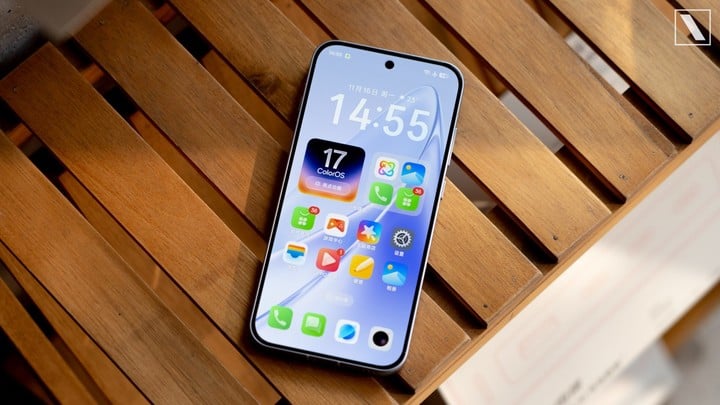
Reno17 continues the refined small flat-screen design. The Reno17 Pro has a 6.32-inch elongated aspect ratio, with smooth transitions from the front and back covers to the metal frame, making it easy to hold even for users with small hands. The back cover glass is OPPO Crystal Shield Glass, and the whole device supports IP69K water resistance.
The screen has a 2640×1216 FHD+ resolution, 800nits default maximum global brightness, 1800nits maximum global peak brightness, 3600nits local peak brightness, and supports a 120Hz refresh rate, 240Hz touch sampling rate, 1.07 billion color display, and 3840Hz dimming.
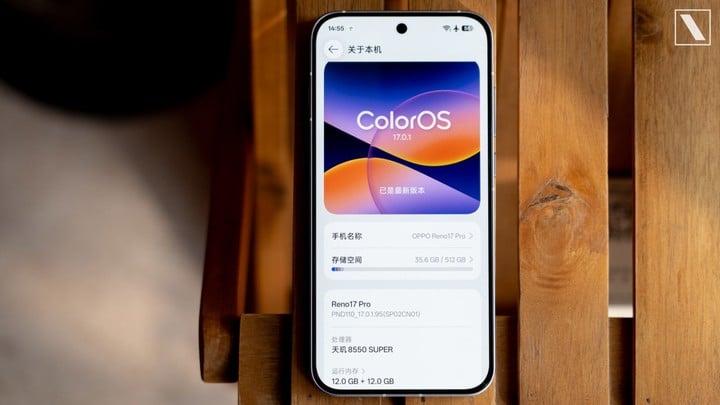
In terms of performance and battery life, the Reno17 Pro is equipped with the Dimensity 8550 SUPER mobile platform, paired with LPDDR5X+UFS 3.1, starting at 8GB RAM, with up to 12GB of running memory and 512GB of storage. Inside there is also a 1000Hz ultra-sensitive touch chip and a Shanhai communications chip to ensure control and signal stability during gaming. The battery capacity is 7250mAh, supporting up to 80W SUPERVOOC and 80W UFCS fusion fast charging, and is backward compatible with 44W third-party UFCS fusion fast charging and 55W PPS.
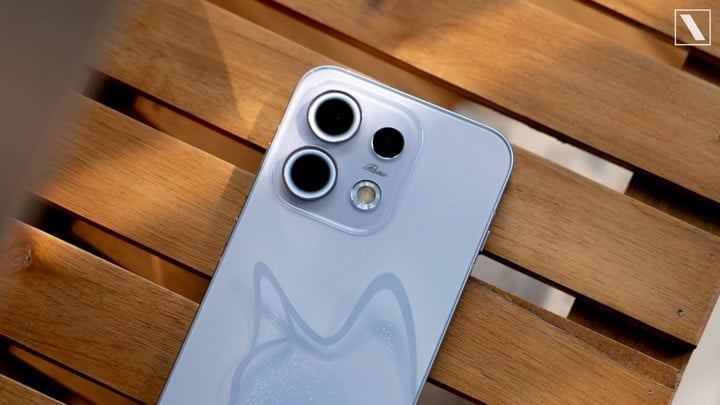
Imaging is the focus this time, especially Live Photo-related features. The rear setup is a balanced "ultra-wide + wide main + periscope telephoto" combination, and the front is also a high-pixel ultra-wide:
- Main camera: 200MP 1/1.56-inch sensor, F1.8 aperture, supports optical image stabilization
- Ultra-wide: 50MP, 116° field of view, low distortion, supports autofocus
- Telephoto: 50MP, 3.5x native optical zoom, supports up to 120x zoom, supports optical image stabilization
- Ultra-wide front camera: 50MP, 100° field of view, supports optical zoom
The body has a built-in Natural Color engine and Natural Tone 3.0, and Live Photos offer a "Natural Texture" style, with two options: Clear (emphasizing transparency and cleanliness) and Amber (warm tone).

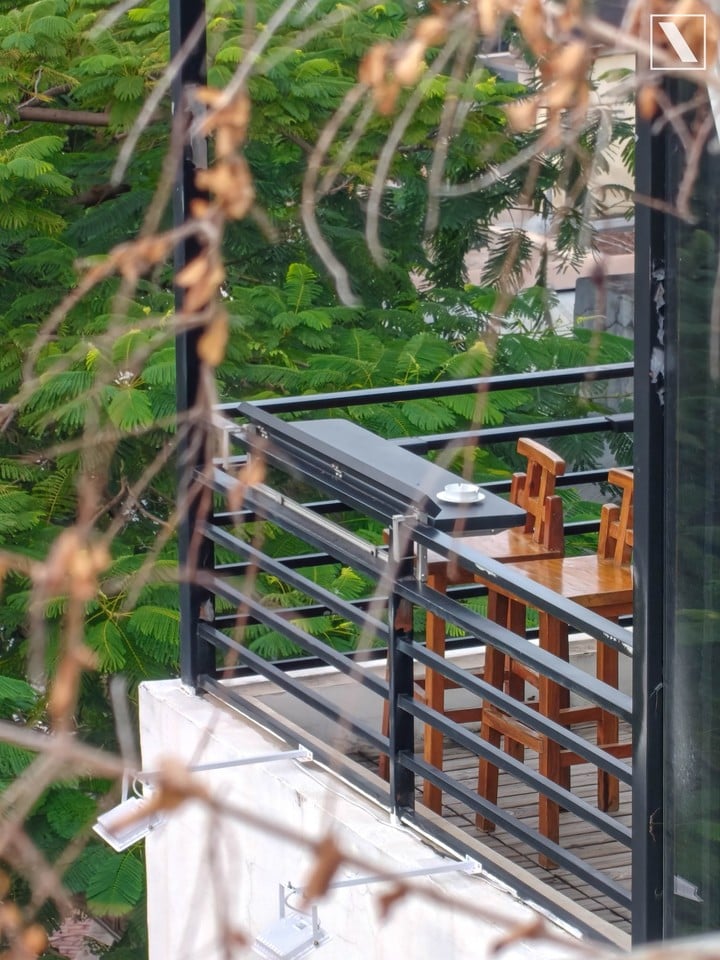
In full-auto mode, the imaging texture is very natural: detail and clarity are sufficient, edges and textures are not overly sharpened, colors are faithfully reproduced, light-to-dark transitions are natural, and the overall look is comfortable.
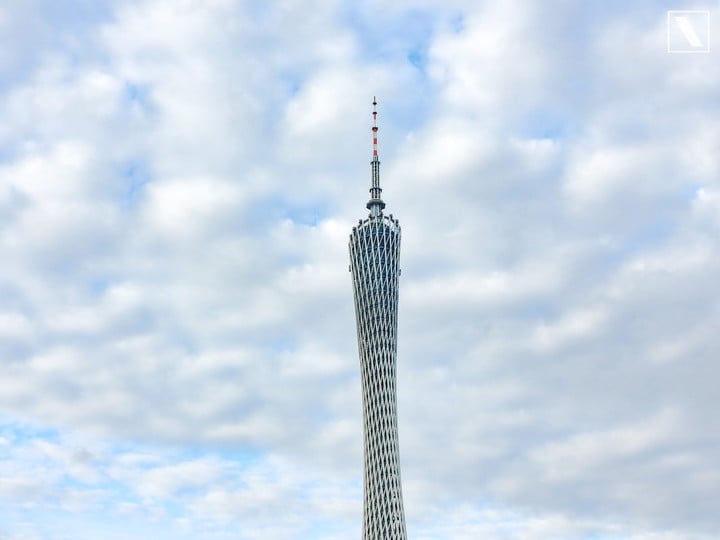
The telephoto performance is equally stable. Besides 3.5x, a 7x default option has been added this time. Whether using 3.5x directly or switching to 7x after 2x, the imaging is very stable: after zooming, edges have no roughness, nor is sharpening forcibly increased for clarity, and the light-and-shadow reproduction stays consistent with the main camera.
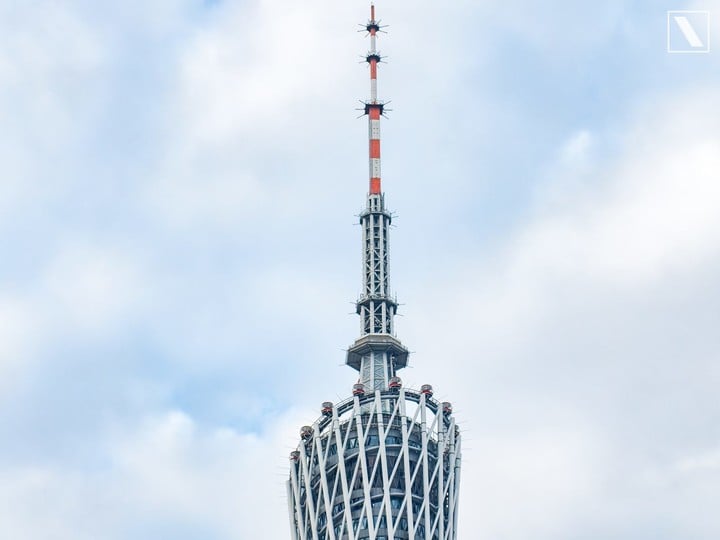
At 7x, the top of Canton Tower remains clear, and even the pods of the Ferris wheel on the tower can be distinguished. When shooting close-ups, the telephoto also delivers nice bokeh, which is very practical for shooting flowers, plants, and still life.

Selfies also benefit from Natural Color and Natural Tone 3.0, with softer and fuller skin tones, and with the 50MP front camera, the default look is also good. Live Photo supports up to 6 seconds, and the 4K 60fps specification ensures clarity and smoothness.
Article title: OPPO Reno17 Pro hands-on: How many steps does it take to put a cat inside a phone?
The design has memorable elements, the hand feel isn't cumbersome, and the camera produces shareable shots by default—this phone's overall polish is well balanced.
Finally, let's talk about pricing, which is also the most eye-catching aspect of it this year.
This year's phone market can be summed up in one phrase: "everything is rising." Storage costs keep climbing; Counterpoint data shows that since 2026, the average retail price of smartphones sold globally has risen 15%, and newly released phones are generally more expensive than their predecessors.
In such a market, the Reno17 series' pricing seems a bit "out of step." The Reno16 was priced from 3499 yuan, or 2999 yuan after national subsidies, while the Reno17 starts at 3599 yuan—a starting price increase of only 100 yuan. The Pro version starts at 4199 yuan, or 3699 yuan after national subsidies, in exchange for a 200-megapixel main camera, a 3.5x periscope telephoto, a 7250mAh battery, IP69K water resistance, and a back cover that shifts with viewing angle. While others are raising prices, it spent its budget on things you can see and touch.
In addition to "Whimsical Meow," the Reno17 Pro also comes in First Snow White and Cocoa Brown, and all three colors offer three storage versions:
- 8GB+256GB: 4199 yuan, 3699 yuan after national subsidies
- 12GB+256GB: 4599 yuan, 4099 yuan after national subsidies
- 12GB+512GB: 4999 yuan, 4499 yuan after national subsidies
If you want a well-balanced phone that makes it easy to get shareable shots, and you want it to stand out a bit among a bunch of phones that "all look the same," the Reno17 Pro deserves a place on your shortlist.