 AIFeed

Honor 700 Pro Hands-On: Starting at 4,099 Yuan, an Oddball Phone in the Mainstream Price Bracket
2026-11-26 12:28
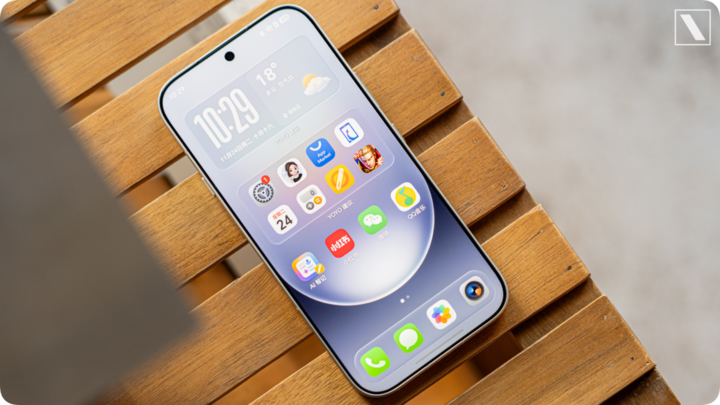
Honor has officially launched the all-new Honor 700 series, bringing three models at once: the Honor 700S, the Honor 700, and the Honor 700 Pro.
In this year's somewhat homogenized mid-range market, this is a machine that makes you think "hmm, interesting" at first glance—and the most eye-catching part, of course, is the rear screen.
First, the prices (all national subsidy prices):
- 12GB + 256GB: 3,199 yuan
- 16GB + 256GB: 3,399 yuan
- 12GB + 512GB: 3,499 yuan
- 16GB + 512GB: 4,099 yuan
- 12GB + 256GB: 4,099 yuan
- 12GB + 512GB: 4,499 yuan
- 16GB + 512GB: 5,099 yuan
What iFanr got its hands on ahead of time is the Honor 700 Pro in the "Cool White" colorway. It doesn't pile flashy decorative patterns onto the back cover; the overall look conveys a restrained sense of beauty, and the premium feel comes from the materials and craftsmanship themselves—
a matte metal frame plus a glass back panel made with a cold-carving process, with a natural transition between the frame and the back panel. The sense of unity in the hand is indeed quite good.
With the exterior out of the way, let's go straight to the highlight mentioned earlier: the Dynamic Rear Screen.
The rear screen is fun, and shooting is even handier
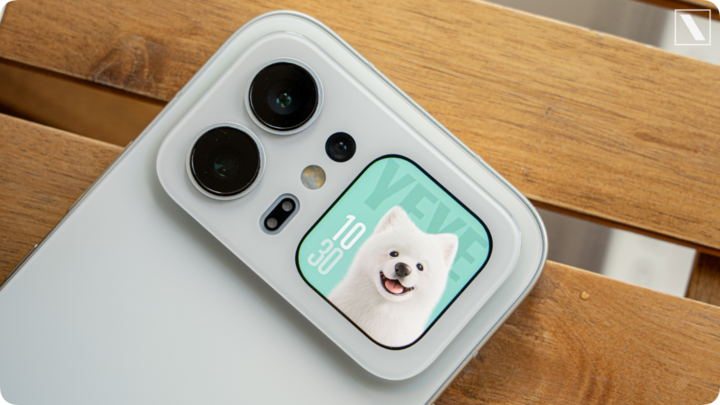
When you get the actual device, your eyes will definitely be stolen by this "Back Talk" Dynamic Rear Screen on the back of the body.
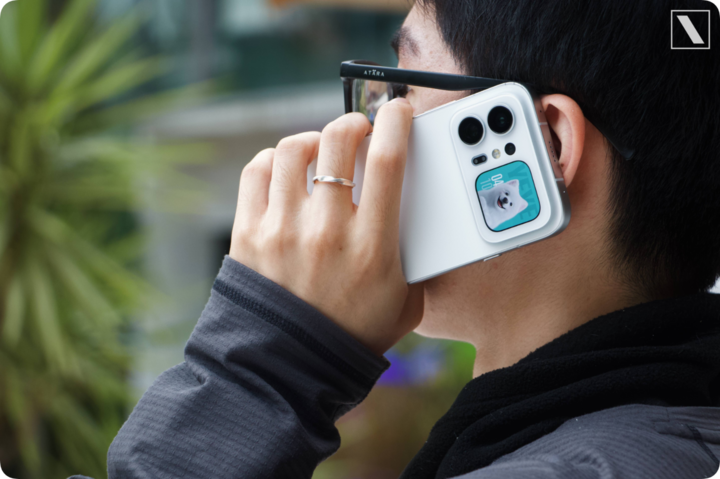
In the mainstream "light flagship" bracket, models like the Honor 700 Pro that embed a 1.59-inch secondary screen right next to the camera module are indeed rare.
The first thing this small screen proves useful for is handling high-frequency everyday light interactions.
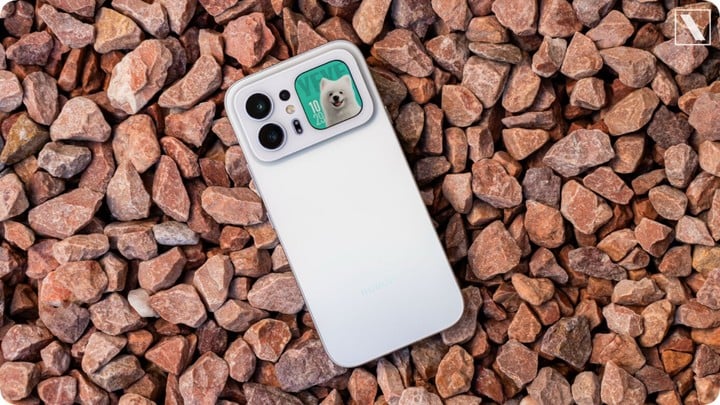
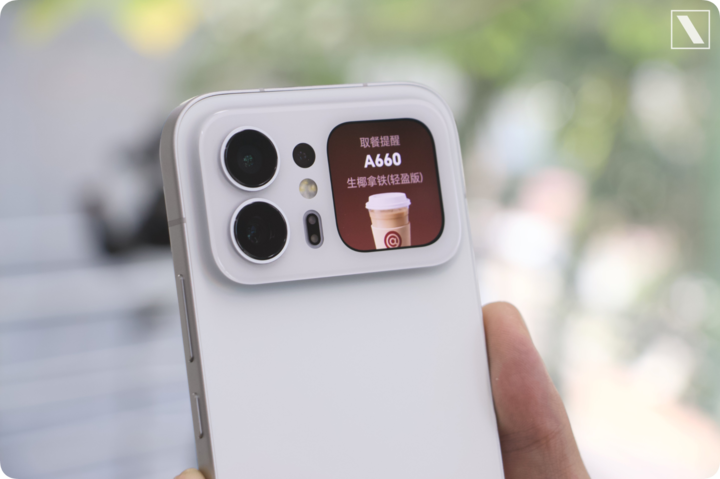
At work or in meetings, flip the phone face down on the table and you can glance down to see where your delivery is. For someone like me with a bit of ADHD, it's simply a blessing—when I need to focus, a glance at the rear screen shows me the key information, and I don't have to flip the phone over and light up the main screen, so I naturally don't get distracted by other little red dots and push notifications.
Combined with Honor YOYO's proactive awareness, real-time information like pickup codes and flight status is now projected directly onto the rear screen too—when rushing for a flight or picking up coffee at a store, one glance at the back is all it takes.
Beyond checking messages, Honor has left quite a few fun things to do with it. When you're slacking off, you can even spin prayer beads or tap an electronic wooden fish on the back, using the phone's haptic feedback to rack up some merit.
The launch event also mentioned that a Vibe Coding feature for generating your own rear-screen widgets will be opened up in the future—when that time comes, you'll be able to whip up whatever little tool you want on the back yourself, which is very much worth looking forward to.
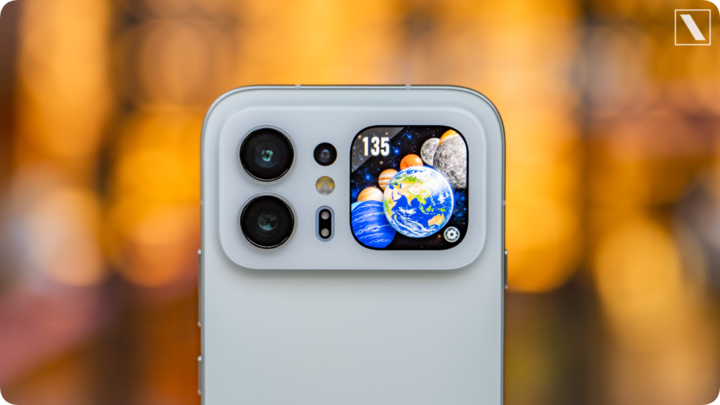
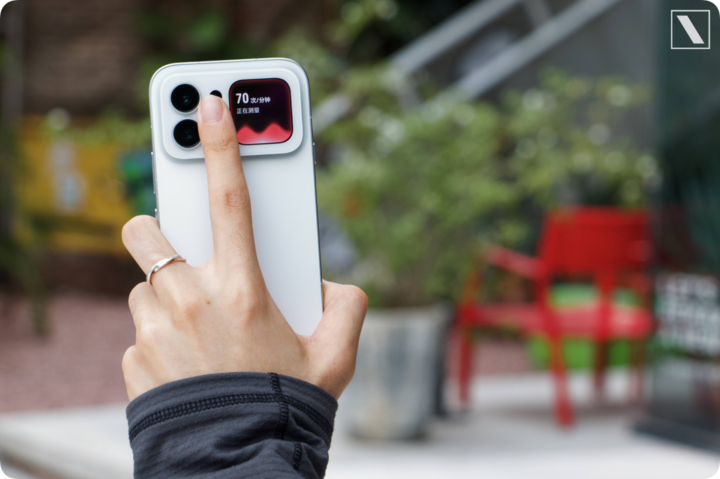
What's rather remarkable is that a sensor is also integrated next to the rear-screen module, and with the rear screen you can conveniently measure your heart rate and blood oxygen in 10 seconds. Of course, this sensor can also link with Honor Sports Health for a one-minute "one-tap mini health check" to see your heart rate, stress, and emotional state.
This rear screen supports personalized customization, but I think the more interesting part is its integration at the system level.
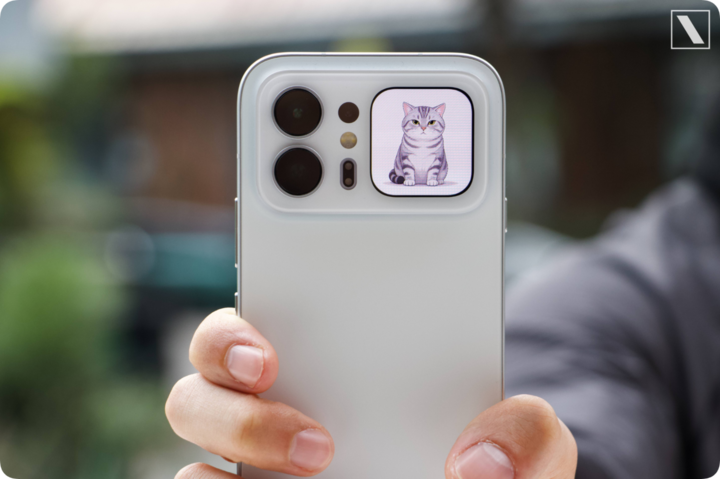
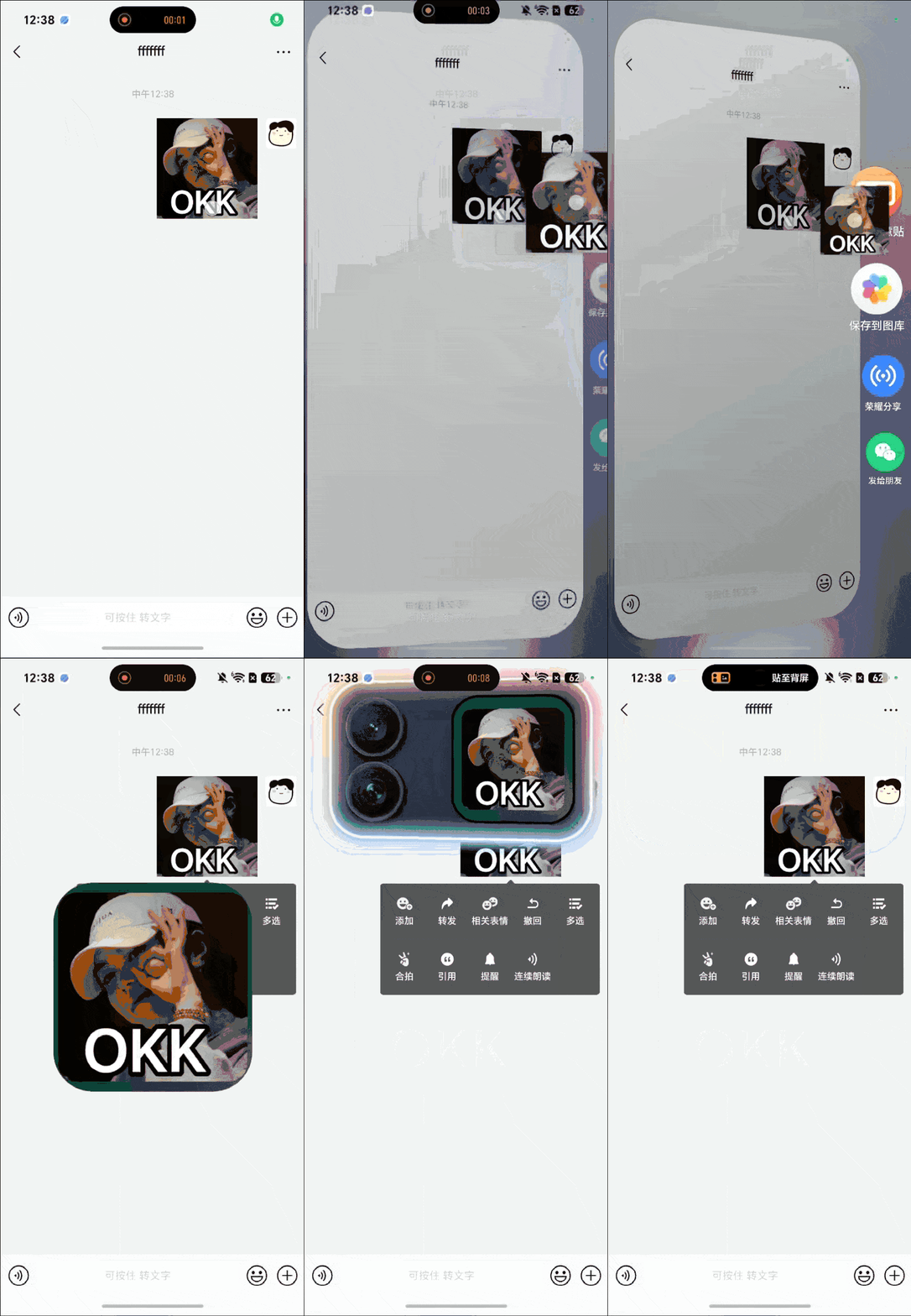
When you come across a sticker you like while scrolling WeChat, or a cute kitten you see on the internet, or even a beautiful photo of your idol, you just long-press the image and drag it into "Honor Any Door" at the edge of the screen, and it can be turned directly into a "Rear Screen Any Sticker" and flung onto the back of the phone—no need for the cumbersome process of saving it to the album and then adjusting it in settings.
What really makes this secondary screen useful every day, though, is photography.
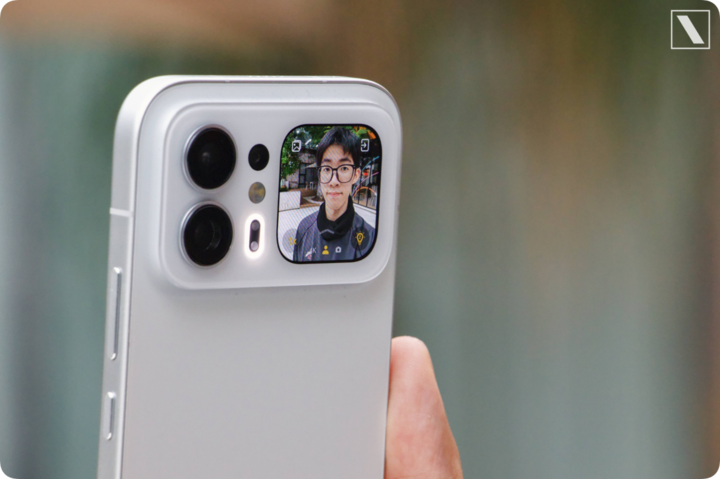
The most direct help the rear screen gives to photography is framing. Swipe right on the back or press the independent shortcut button on the body, and you can bring up the rear camera directly. Whether you're taking a selfie and watching yourself to control your expression, or photographing a friend and letting them adjust their position and pose themselves, it's all very handy.
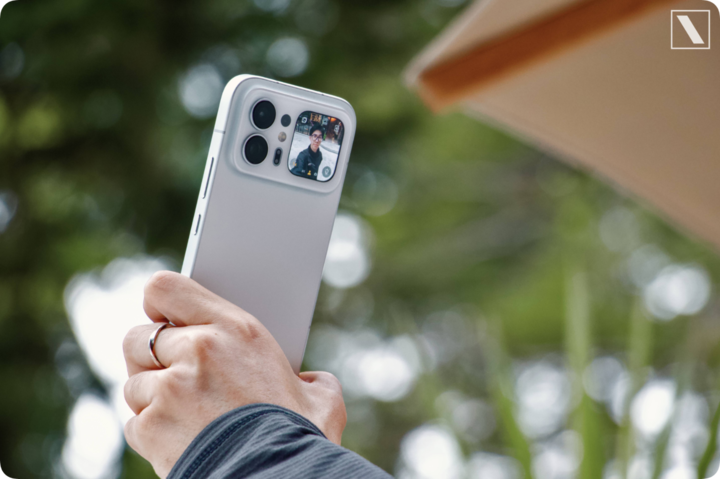
What's more, this time the Honor 700 Pro packs a 200MP main camera (1/1.56-inch) and a 50MP 3.5x optical zoom periscope telephoto into the rear module, with both lenses featuring CIPA 6.5-level OIS optical stabilization. Using the rear screen to directly call on this 200MP main camera for selfies, both skin texture and the quality of light and shadow are far better than the front camera.
The Honor 700 Pro also thoughtfully adds a ring of circular soft light to the module. When taking selfies with the rear screen, you can adjust three brightness levels directly on the rear screen; when shooting indoors in dim light at night, just turn on the fill light and the lighting on the face will be much more natural and soft, and it's less likely to produce the harsh, pale look of an ordinary flash.
Beyond selfies, its performance in everyday shooting is also very solid.
With the 200MP main camera as a foundation, there's no need to worry much about resolving power. In our tests, when shooting street scenes in ample daylight, the detail and light-and-shadow transitions are very clean—at this price point, it's at a level where you can pull it out and shoot with confidence; even if, like me, you're used to composing at 35mm or even 46mm focal lengths, the image remains solid after cropping.

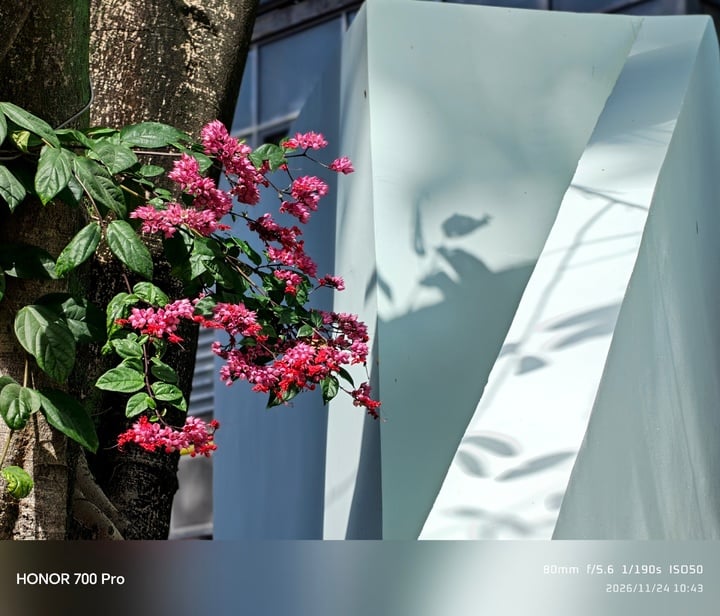


In our tests, Honor's imaging style leans rich and saturated, and on sunny days the colors are especially pleasing. If you prefer a lighter or more transparent look, the gallery also supports AI Color Matching—upload a reference image you like, and the AI will grade the final photo to match that color style.


Swipe left: the original image and the AI Color Matching result, respectively
In addition, the Honor 700 Pro supports 4K Live Photos across all rear focal lengths and even the front camera. In our tests, while ensuring the clarity of moving images, the transition between the cover frame and the motion is very stable, with no jarring sudden jumps.
After shooting, there's no need to fiddle with third-party editing software—right in the system gallery you can make a "cinematic three-panel Live," or apply a music collage or double-sided Live. That means everything from shooting to editing is done in the same pipeline, and once edited you can post it straight to Xiaohongshu.

9,000 mAh, no compromise on battery life
Honor has always been known for being generous with battery capacity, and likewise, the Honor 700 Pro still packs a 9,000 mAh fifth-generation Qinghai Lake battery. In our daily use, after a full day of heavy usage, having 20%–30% battery left is no problem at all.
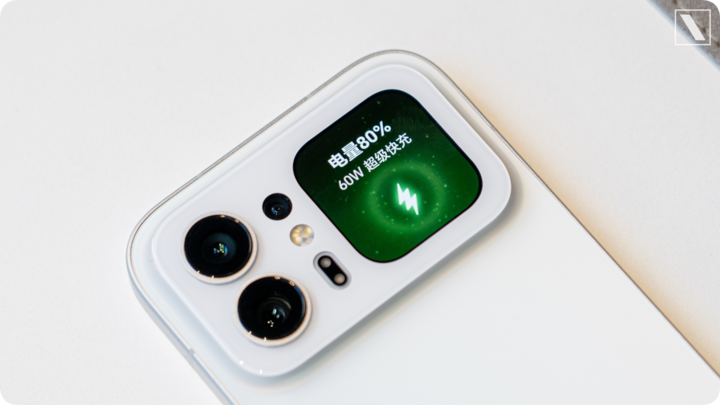
For charging, 80W wired fast charging paired with 50W wireless fast charging is basically standard, and there's also 27W wired reverse fast charging—when you're out and about and a friend's phone or earbuds are running low, plug in a cable and it really can double as a power bank for an emergency.
Another very practical feature is AI Charging Separation. In high-load scenarios like gaming, when playing while plugged in, the phone can intelligently schedule the power supply path, making the external power supply the system directly as much as possible rather than charging the battery while the battery discharges—this reduces heat and better protects battery lifespan.
The article title: Honor 700 Pro hands-on: starting at 4099 yuan, a phone outlier in the mainstream price bracket
Main text: Packing a 9000 mAh battery into a body that's 7.96 mm thick and weighs about 213 grams definitely doesn't make for a particularly lightweight phone, but given such a large battery capacity, this weight is completely acceptable. On top of that, it uses a 6.57-inch flat screen, which isn't too big in itself, so you can still easily handle it with one hand in everyday use.
Another one of Honor's traditional tricks is the Eye Comfort Oasis Sunlight Screen on the front. Honor has always been willing to put effort into eye comfort, and this screen is no exception, offering 3840 Hz PWM dimming and a hardware minimum of 1 nit (down to as low as 0.3 nits in ultra-dark mode).
Eye comfort at the software level is also handled well. Take the eye comfort monitoring feature: when you lean your face too close to the screen, or lie on your side in bed at night playing with your phone, the Dynamic Capsule will pop up a reminder; it also generates a weekly eye comfort score report to help you understand your eye-use habits more clearly.
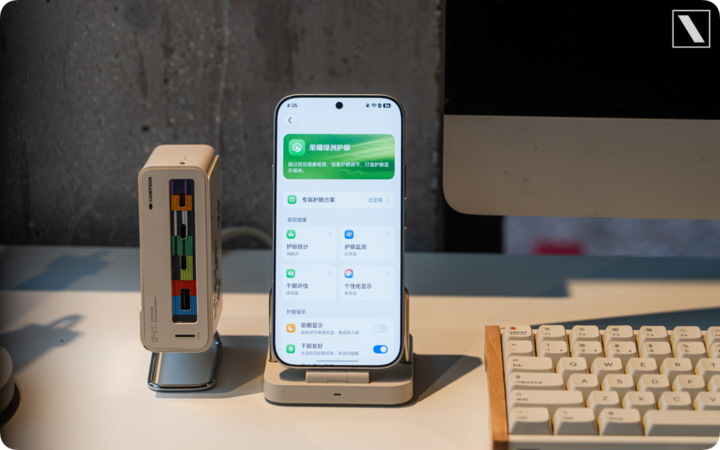
The system also supports customized eye comfort plans, with built-in features such as "Color Vision Test" and "Dry Eye Test." It first uses small tests to figure out your eyes' actual condition, then automatically matches the corresponding screen display strategy.
Take the "Color Vision Test": in actual testing, it detected that my eyes have a slight red color weakness, and the system then adjusted the screen's color output accordingly based on this result, making the actual viewing experience better fit my visual condition.
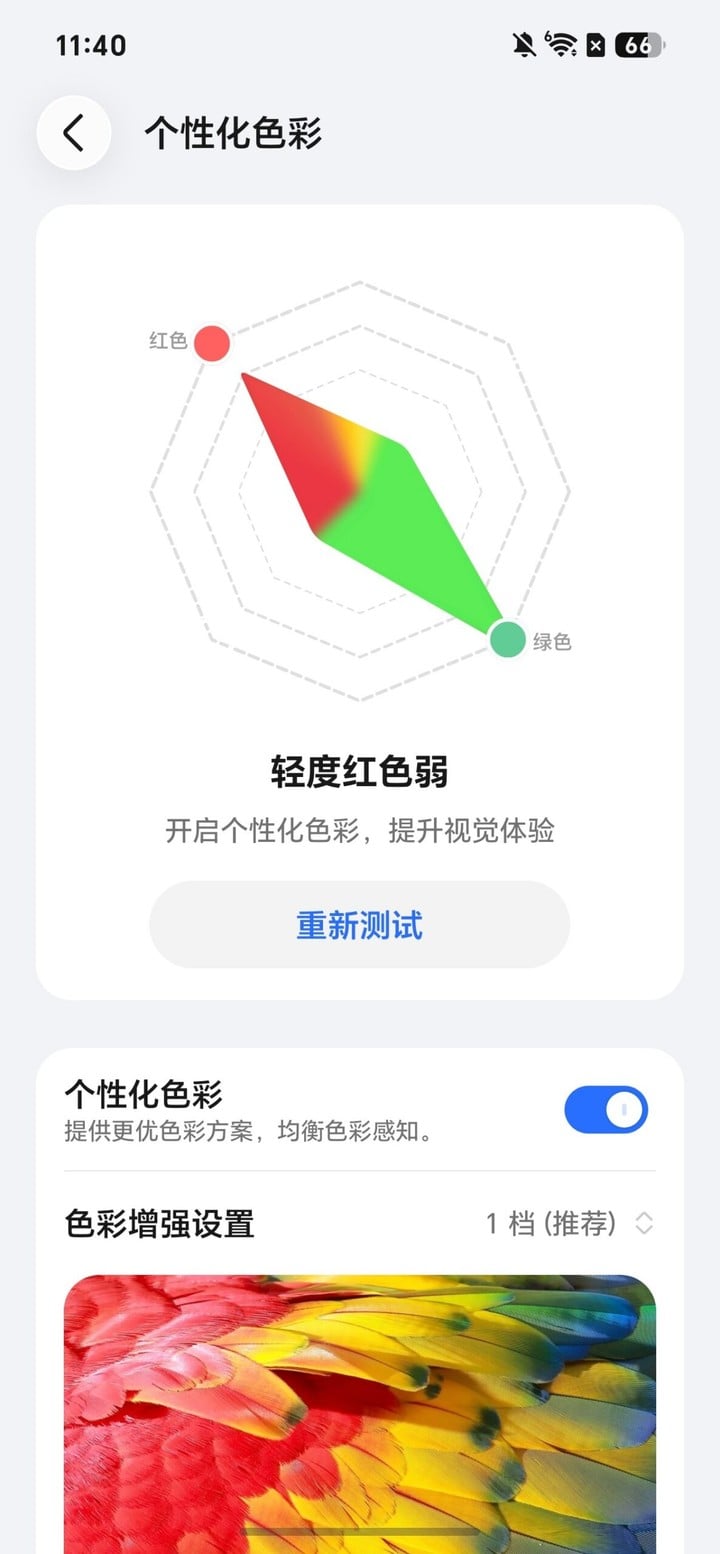

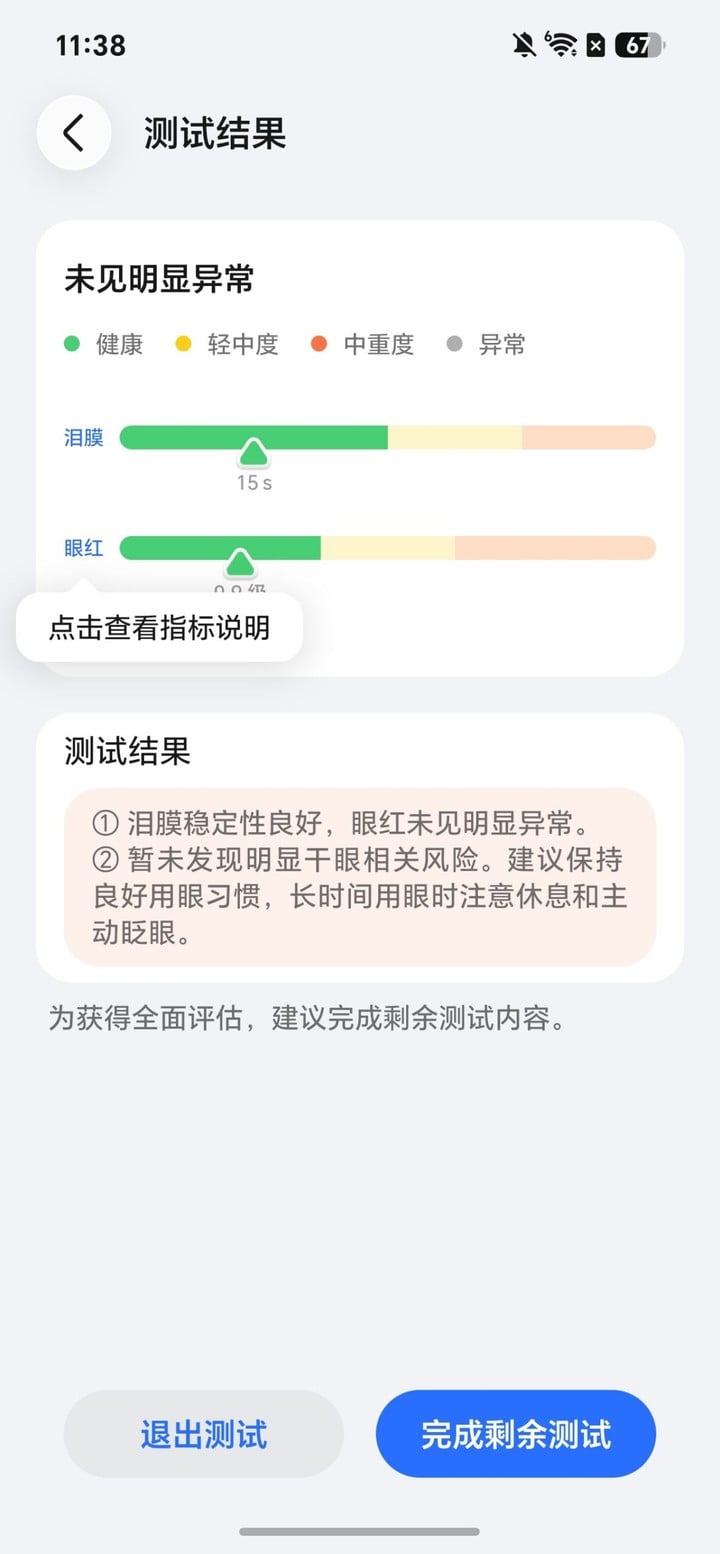
Swipe left for personalized color, personalized brightness, and dry eye test respectively
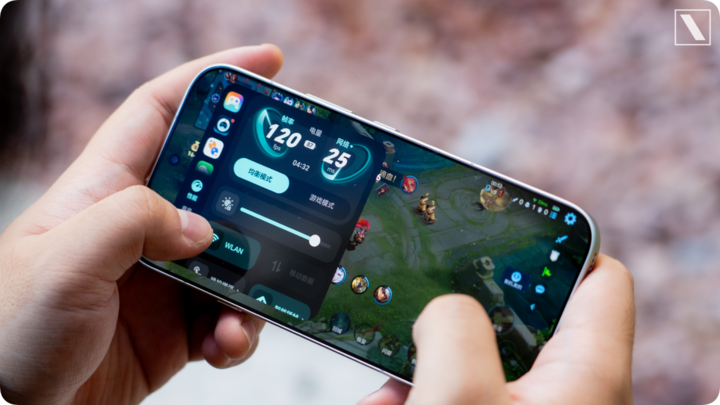
In terms of performance, the Honor 700 Pro is equipped with the 3nm-process fifth-generation Snapdragon 8, and with the help of a six-layer cooling system and the Honor Phantom Engine, it already has a pretty capable foundation for its tier.
In actual use, everyday operation is smooth and responsive, and frame rate stability and heat performance during high-load gaming are also quite good—you don't need to worry about performance falling short when using it as your long-term daily driver.
As upstream memory and storage chips continue to rise in price, the entire industry is quietly cutting costs or raising prices in disguised ways.
Facing cost pressure, the most common solution for manufacturers is to hone their "knife skills" more precisely: first lower the starting price with a standard version that has reduced specs, then lock the core experience into the higher-end model, forcing users to pay more for the Pro.
But the entire Honor 700 series comes with a 9000 mAh battery, a 200-megapixel main camera, and a rear screen; between the standard version and the Pro, even the 50-megapixel periscope telephoto is completely aligned, and the core difference between the two devices is almost just the processor (plus peripheral configurations like 50 W wireless fast charging).
No matter whether your budget ultimately lands on the standard version starting at 3199 yuan or the Pro starting at 4099 yuan, what you get is a complete experience framework close to an entry-level flagship—you could say it preserves the hardware generosity and experience floor that mid-range phones should have.
At the same time, Honor has also brought the rear screen to products in this price range—not that this secondary screen is so irreplaceable, but among the generally homogenized choices in the same tier, it genuinely achieves a refreshing differentiation in a clever and rare way.
So for ordinary consumers, you get a sufficiently solid hardware foundation and also buy a bit of a different way to play at this price point—why not?
So in this year's mid-range market, the Honor 700 series is indeed a product with both sincerity and novelty.