 AIFeed

The Head of iPhone Camera Retires: He Made "Apple Flavor" a Benchmark, and Also Stirred Controversy
2026-11-24 13:40
The starting point of our story today lies ten thousand kilometers away from Apple Park, across the ocean.
On a remote ranch in the Queensland outback of Australia, a boy with congenital color blindness received his first camera from his grandfather—a 1949 Minolta 35mm film camera.
That was an era when every shutter press was expensive. A gentle press of the index finger meant a long and careful act of trust: mailing the film off for development, often waiting months before learning whether that moment had truly been captured on the negative.
No one could have imagined that decades later, this Australian boy who could not see the full spectrum of the world would sit in the spaceship headquarters in Cupertino, California, in charge of the camera with the most users, the most photos taken, and the most loved and most hated in human history:

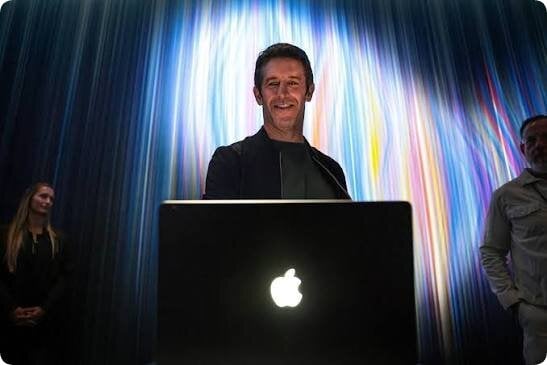
In November 2026, according to Bloomberg, Apple's Vice President of Camera and Photos Software Engineering Jon McCormack quietly retired at the end of October, ending an eight-year career at Apple.
Over the past nearly decade, it was this executive, who rarely stood in the spotlight, who single-handedly shaped the iPhone imaging style we are most familiar with today.
The boy who once held his breath waiting for film left his restraint and obsessiveness in the photo albums of hundreds of millions of people. What kind of world will iPhone imaging capture next, now that McCormack is gone?
The Secret to a Great iPhone Camera: Simplicity
In April 2018, McCormack left his position as CTO of Amazon's Devices division and formally joined Apple, taking over the iPhone camera and photos software team and reporting to Senior Vice President of Software Engineering Craig Federighi.
At that time, smartphone imaging was standing at a delicate crossroads—before the iPhone X, Apple's camera was known for stability and faithful reproduction, but when faced with low light and complex lighting, this traditional system had already hit the ceiling of physical size.
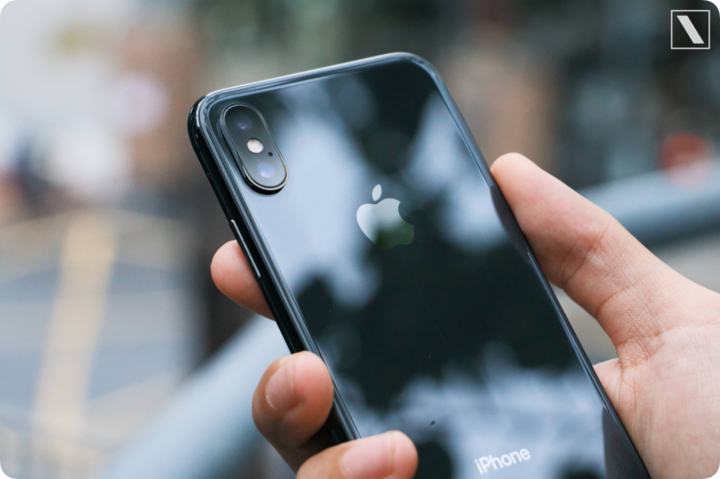
Constrained by thin and light bodies, phones could not fit the massive sensors and lens groups of DSLRs; on the other side, Google had already torn open a gap with the Pixel series' HDR+, proving the possibility of using algorithms to compensate for optics.
And Apple's consistently restrained industrial design philosophy meant that the size of iPhone camera modules remained more conservative than Android flagships for a long time. How should Apple break the laws of physics within a tiny space?
The first domino McCormack pushed during his tenure was Deep Fusion, which debuted with the iPhone 11 in 2019.
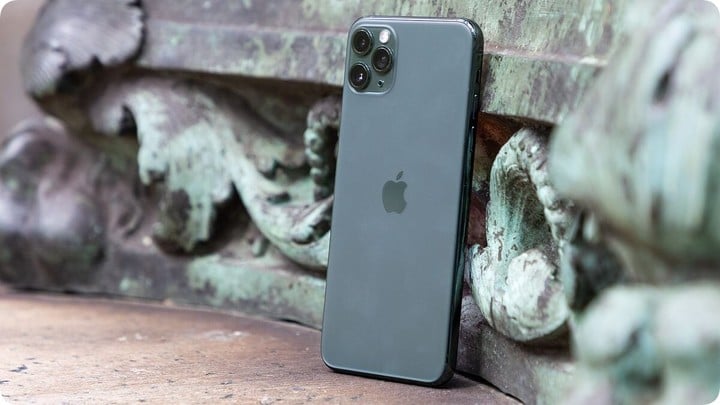
Just as traditional photography is divided into the "exposure" at the moment the shutter is pressed and the "development" afterward in the darkroom, what Deep Fusion and machine learning do is essentially compress the time-consuming post-processing workflow that professional photographers go through in Lightroom silently into a single shutter press—
Before and after the shutter is pressed, the camera captures multiple frames with different exposures in the background, analyzes and fuses them pixel by pixel through a neural network, and then hands them to the image signal processor to reconstruct light, shadow, and texture.
When Deep Fusion debuted in 2019, it truly stunned many people: the weave of sweater fibers and the rough texture of building surfaces in low light showed, for the first time on such a tiny sensor, resolving power that was almost hair-splittingly detailed.
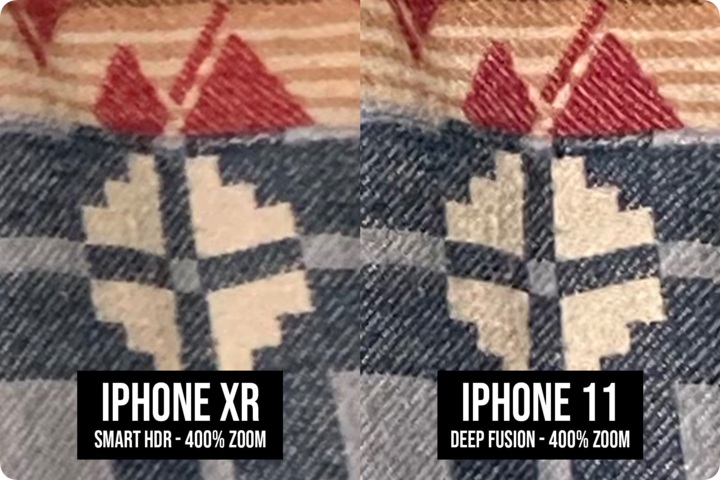
Building on this foundation, Night mode, Smart HDR, Apple ProRAW, and Photonic Engine were rolled out one after another, together piecing together Apple's mature and unified computational photography landscape.
Even the iPhone "Photographic Styles" we are familiar with today—the color palette that many people love since the iPhone 16—also came from him. Unlike ordinary editing software that applies filters after taking a photo, this feature is likewise built on, and even directly embedded into, the multi-frame compositing pipeline of Deep Fusion and Smart HDR.
"Photographic Styles" can be said to be the culmination of today's "Apple flavor" imaging, using algorithms to break the image down into fine semantic layers: which part is human skin, where the highlights and shadows are—making more precise adjustments on the corresponding layers without easily destroying the original natural texture.
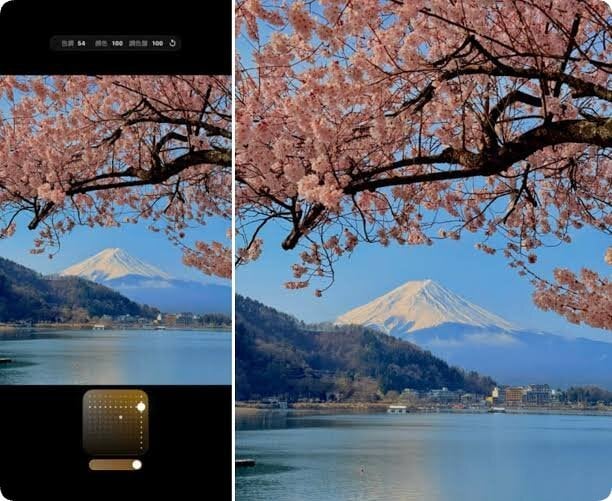
Whether it was the early Deep Fusion or the later color palette, the most "Apple" and most fascinating thing about McCormack never changed: he strove to hide this engineering system, complex to an outrageous degree, behind the scenes where users could not see it.
The square Center Stage front camera of the iPhone 17, which he pushed hard for before leaving, was also an embodiment of his product philosophy—to solve the awkwardness of people having to repeatedly rotate their phones between portrait and landscape when taking selfies, the team packed in a larger square sensor and a massive amount of algorithms.
When talking about the redesigned square front camera of the iPhone 17, he summarized his eight years of engineering faith in extremely plain terms:
We need a larger sensor, an extremely fast processor, and a massive amount of math. But the interesting thing is, we do all of this just to make it seem effortless. The whole point of the iPhone camera is to let you record that moment while you are immersed in the present.
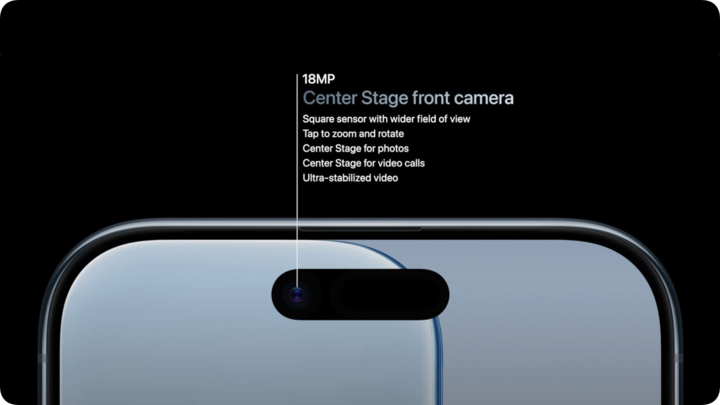
This is a product logic with a strong trace of Jobs—technology should be invisible, and tools should not steal the show.
And it was precisely starting from Deep Fusion and this entire system of software-hardware collaboration that the "Apple flavor" photography tone we know today was jointly established.
The Invisible Shackles of the iPhone Camera: Reality
However, this logic that emphasizes clarity and reproduction also has its price.
Many people still miss the slightly softened, optically breathing "creamy" look in portraits from the iPhone X era, and even go to the second-hand market specifically to hunt for older models—that was the last generation of flagships before Apple fully shifted to Smart HDR and Deep Fusion. By comparison, the straight-out photos from later generations of iPhone are often criticized for having "too much digital flavor."
Ironically, this digital feel that makes people feel "fake" stems precisely from Apple's excessive earnestness about "completely recording the scene."
Facing hundreds of millions of ordinary users around the world, the first priority of the iPhone camera is "never fail." Constrained by the phone's physical size, optics alone cannot capture all the information in high-dynamic-range scenes, so the team uses algorithms to preserve as much of the originally existing texture and light and shadow as possible.
But preserving all the information is one thing; how to present it is another.
The iPhone's default algorithm wants too much to explain every corner of the frame clearly. In order to fit the extremely wide range of bright and dark areas in reality into a single final image, it acts heavily in the tone mapping stage—lowering the highlights of the sky and lights, lifting the shadows where people and buildings are, and then fine-tuning local exposure and contrast by region.
This processing does indeed keep faces backlit from turning into a black blob, and brings back building details in night scenes that would otherwise be invisible. But the cost is that the light-dark relationships originally formed by light are rewritten: places that should be bright are no longer so bright, and places that should sink into shadow are lifted up again.
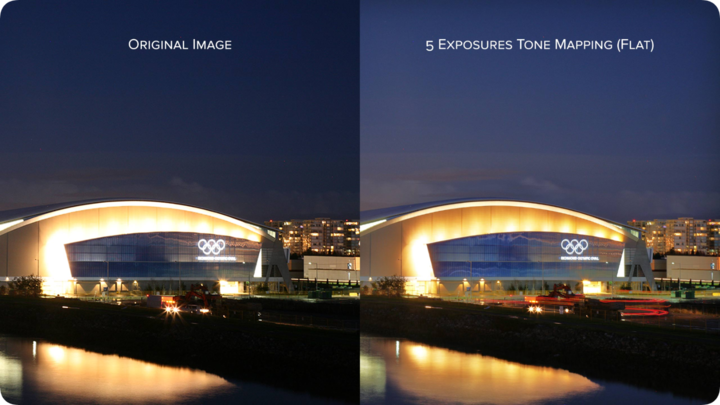
The information in the photo becomes more and more complete, but the layers of light itself may become more and more blurred.
Combined with subsequent noise reduction and sharpening, especially in portraits, this logic further amplifies flaws such as pores and redness, making them overly clear and therefore less pleasant to look at.
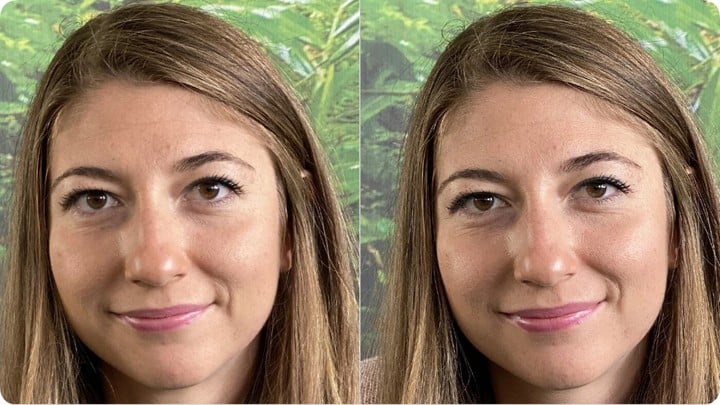
But this is not a common problem of computational photography. Also heavily reliant on multi-frame compositing, people who tinker with mobile photography have probably heard of Adobe's Project Indigo launched in recent years.
It captures up to 32 frames in the background at a time to suppress noise and preserve dynamic range, yet the final image stands almost at the opposite end from Deep Fusion: restrained sharpening, no forced brightening of shadows, leaving places that should be dark to the shadows, and preserving as much as possible the light-and-shadow transitions close to those of traditional cameras.
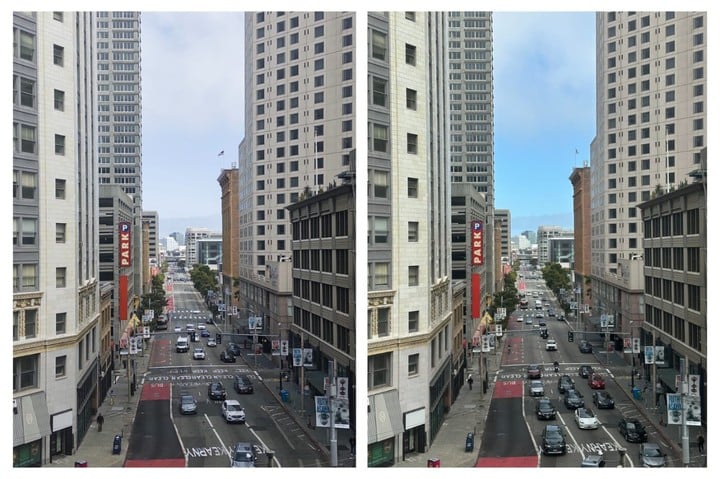
A comparison makes it clear: the reason iPhone straight-out photos are not durable enough to look at is not that Apple is unwilling to retouch photos, but that its default preset for a "good photo" has always leaned toward clarity, completeness, and stability—
Shadows must be visible, details must be solid, and ideally not a single piece of on-site information should be missing. As a mass-market tool, this approach is extremely safe, but it precisely lacks the取舍 that photography values most: when all the places that should be dark are lit up, the light-and-shadow contrast and atmosphere are naturally flattened. (In fact, the later launch of the new "Photographic Styles" on the iPhone 16 was, to some extent, precisely the team's loosening of and response to this single default style.)
Still, even though computational photography has stirred up so much back-and-forth, the bottom line of everyone's debate has never changed—it all remains within the scope of "how to present a reality that has already happened."
Article title: The head of iPhone camera retires: he made the "Apple flavor" a benchmark, and also created controversy
Body: At this stage, the controversy sparked by McCormack's team was at most an engineering overreach; it was not until generative AI swept through the industry, when algorithms were no longer content to compensate for physical flaws and restore reality, but began to directly rewrite or even fabricate reality out of thin air, that the red line in his bones as a photographer truly surfaced.
In 2024, when the smartphone industry began feverishly using large models to "erase passersby" and "swap the sky with one tap," Samsung Electronics Executive Vice President Patrick Chomet once offered a remark in an interview that was highly symptomatic of the era:
there is no such thing as a real picture.
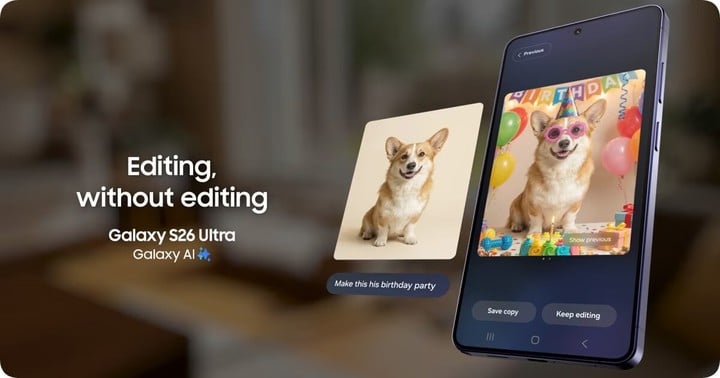
A few months later, in an interview with PetaPixel, McCormack gave a direct response:
Our understanding of a photo is: it is a personal celebration of something that really, actually happened.
Just take off the Silicon Valley vice president's suit and look at the other life McCormack has outside Apple, and you will understand where this stubbornness comes from.
He has long carried a camera deep into the wilderness. He is a Fellow of the Royal Geographical Society and a member of the Explorers Club. In a Maasai village in southwestern Kenya, he co-founded the nonprofit organization The Kilgoris Project, building three kindergartens and one primary school; he is also a founding board member of the ocean conservation organization SeaLegacy.

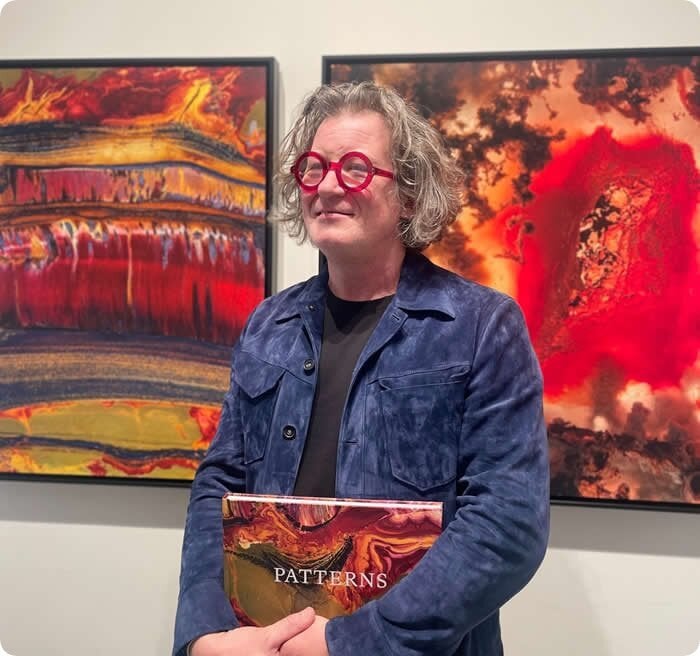
In April 2026, the renowned art publisher Damiani published his personal photography collection Patterns: Art of the Natural World, which won the International Photography Awards (IPA) prize for Best Nature Photography Book.
In an exclusive interview with PetaPixel, he said something with great human warmth:
My goal is for people to see our planet the way they see a Fabergé egg — unique, fragile, intricate, and beautiful.
The pursuit of authenticity may always have been a personal belief he practiced himself.
In reporting on his retirement, Bloomberg specifically noted that McCormack had always been a representative figure inside Apple "opposing the use of generative AI to create or tamper with photos out of thin air," which even created subtle internal tension during Apple's process of introducing AI tools into the Photos app.
Therefore, under his leadership, Apple's intervention in AI imaging appeared extremely restrained, even somewhat halting in the eyes of outsiders.
Even the AI editing features launched with iOS 27 in 2026, such as "Clean Up," "Expand," and "Spatial Reframing," were permeated with the caution of "dancing in shackles" — strictly limiting the scope of generation, deliberately protecting the main subjects in the frame from being altered, and refusing to fabricate elements that had never appeared in reality out of thin air.
In June 2026, in his last public in-depth appearance before leaving, McCormack drew the red line in his mind for photography blogger Tyler Stalman — "preserve the integrity of the moment."
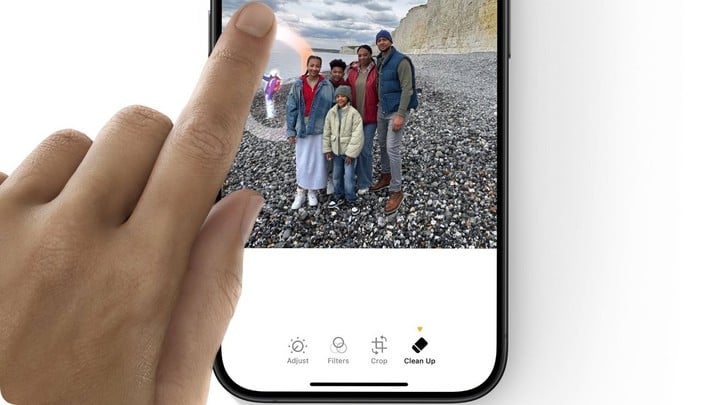
In his view, erasing an eyesore of a trash can in the corner of the frame, or slightly adjusting the composition, is in essence still a "photographer's tool" from the darkroom era: it serves to enhance your real memory of that moment, not to fabricate out of thin air a perfect illusion that never happened, and certainly not to cater to some cookie-cutter aesthetic template.
As he said: "Whether you use Photoshop or some kind of AI tool, the difference is actually not that big. The core question is: what exactly are you presenting?"
But it is precisely this rhetorical question, full of classical dignity, that is pushing Apple into a kind of path dependence.
The competitive rules of mobile imaging have already quietly been rewritten.
Over the past decade, manufacturers competed over who could help users take a clearer, more stable, and more true-to-life "good photo"; by 2026, the battlefield has spilled over into the "second half" of imaging:
Who can let users process, reconstruct, and even create images more freely and with fewer barriers?
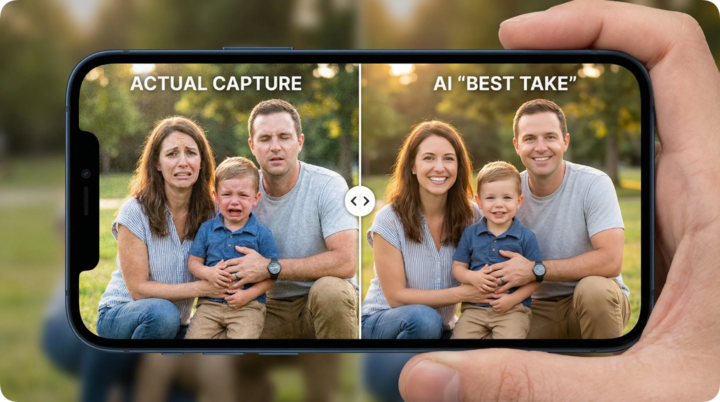
Apple is too good at, and too attached to, helping users obtain a "real good photo," so much so that it has been slow to bow its head and admit a somewhat cruel reality: the new generation of users who grew up in social media and algorithmic filters may not care at all whether that photo conforms to photographic ethics — what they want may simply be a photo that "never existed, but is perfect enough."
McCormack's adherence to authenticity is the most moving foundation of Apple's imaging, and invisibly, it has also become the intellectual constraint that makes it difficult for Apple to turn around quickly in the era of generative imaging.
"Apple-flavored" imaging welcomes a new variable
After the news of McCormack's retirement came out, the most intriguing part was Apple's organizational changes: no new vice president at the same level was established, responsibilities were split up, and folded under other executives.
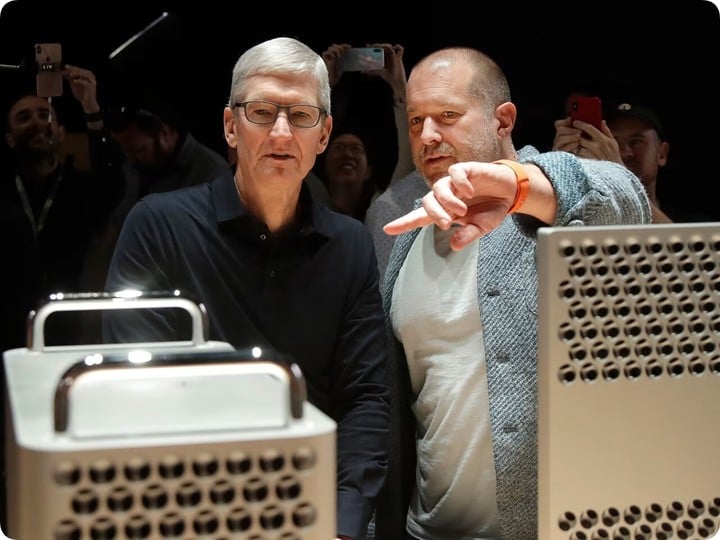
Anyone familiar with Apple's history can easily think of how Jony Ive's departure was handled in 2019. When a company no longer seeks a "one-to-one successor" for a core executive, it usually means that team operations will shift from being led by a single core figure to a flatter, more systematized collaboration.
At the same time, mobile imaging has always been a field highly dependent on the "number one" figure. The aesthetic orientation and product obsessions of the person in charge often directly settle into a phone's imaging imprint. Over the past eight years, it was McCormack, with the grounding of a nature photographer, who firmly engraved the standards of clarity, stability, and fidelity to the scene into the imaging logic of the iPhone.
Now the person who set the tone has left, and combined with Apple's current internal and external environment, this handover has gained a larger variable.
Internally, Apple is entering a cycle that emphasizes engineering pragmatism more. The new CEO, John Ternus, has rarely had untouchable "ancestral rules" — as long as the user scenario and experience hold up, even a touchscreen Mac can be approved; and the overall rhythm of software and AI is firmly in Craig's hands.
Once the camera and photos teams are broken up and merged into a larger systems and AI engineering structure, it will be difficult for decision-making to be settled by a single photographer's personal standards as in the past; instead, it will lean more pragmatically toward system-level AI collaboration and the overall experience.
Externally, the reference frame for mobile imaging has long since changed. Ten years ago, when Apple was starting out in computational photography, it was secretly benchmarking Samsung and Google Pixel; today, those continuously applying pressure on the main battlefield are Chinese manufacturers such as OPPO and vivo, which have been piling on large-sensor hardware, telephoto optics, atmospheric portraits, and AI retouching in turn.
Even if Apple also has larger-sensor hardware solutions in reserve, in the face of consumers increasingly accustomed to "good-looking straight-out shots and hassle-free retouching," the market pressure it faces is no longer what it was when McCormack first joined.
At the intersection of organizational breakup and the generative AI wave, the future of iPhone imaging is unlikely to proceed entirely by the book. Whether in the scale of AI involvement or in the trade-offs of straight-out color grading, it now has a few more windows toward another possibility.

On the day McCormack retired, PetaPixel editor-in-chief Jaron Schneider wrote this assessment:
It's hard to imagine a greater loss for Apple than losing McCormack. Apple is unlikely to find another person equally talented and who values photography as pure art the way he does.
Jon McCormack's eight years at Apple are a story of using algorithms to revolutionize photography, and then trying to use photographic ethics to constrain algorithms. Of course he cannot decide Apple's next decade, but during this past period, it was his personal taste that defined the world billions of people see when they raise their phones.
When the entire industry is teaching AI how to erase regrets for people and fabricate out of thin air more flawless "perfect images," he has always stubbornly believed that the most irreplaceable value of photography remains faithfully anchoring those moments that may not be perfect but did truly happen.
This persistence is the last legacy he left to Apple, and that "Apple-flavored" imaging that has continued for eight years is also destined to welcome new variables.